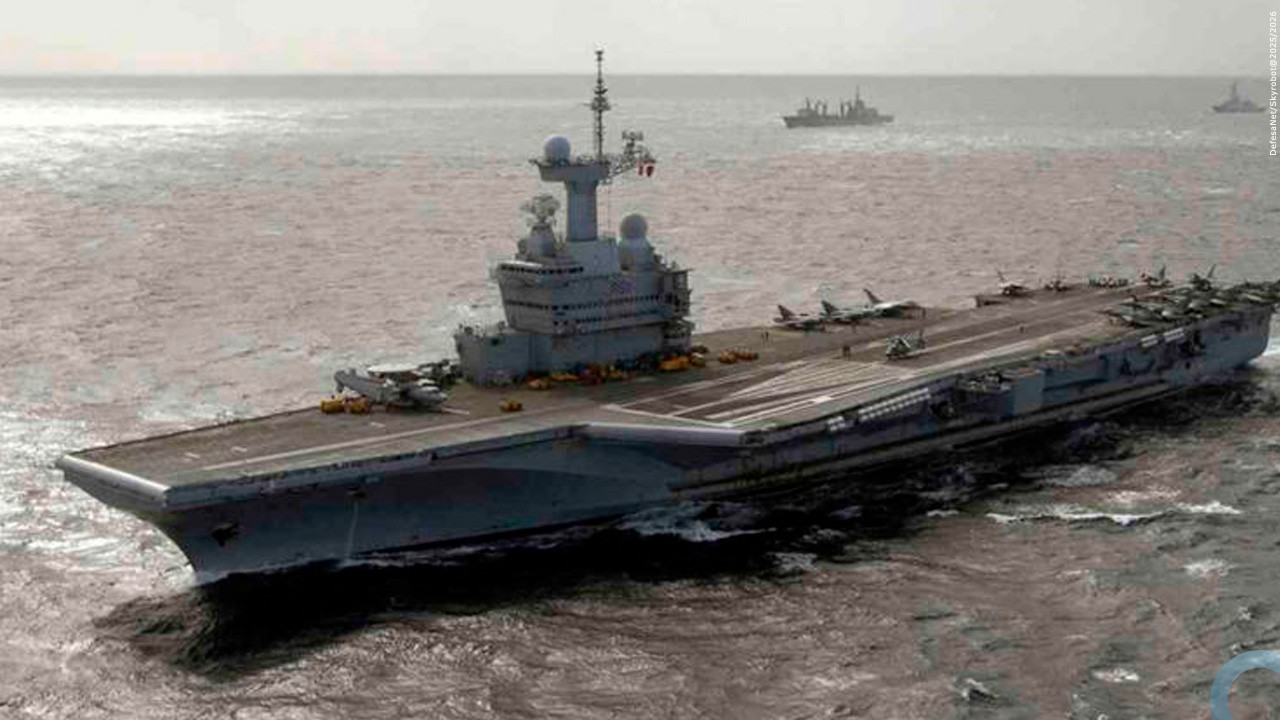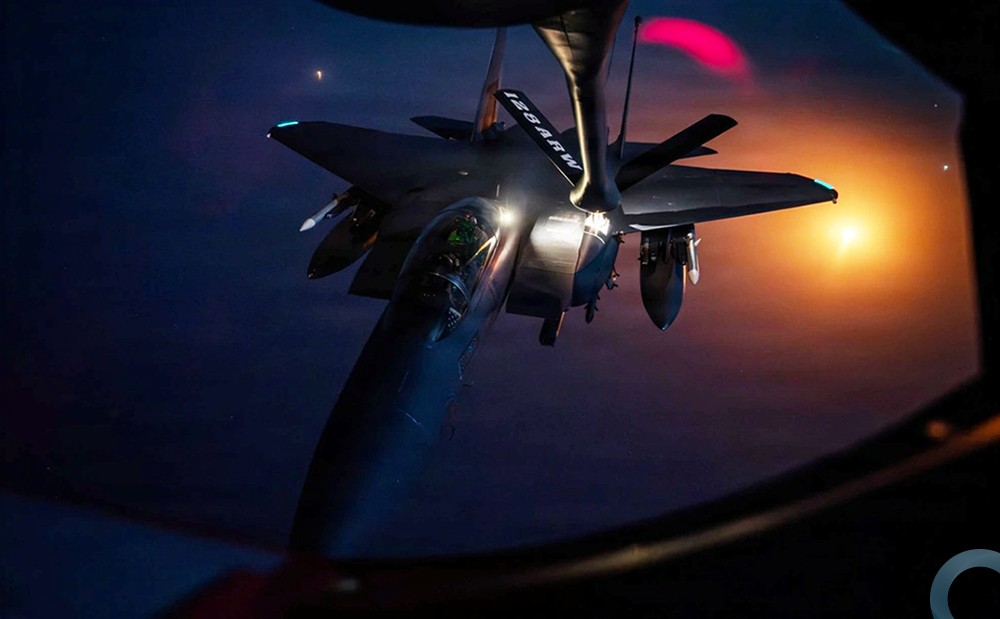



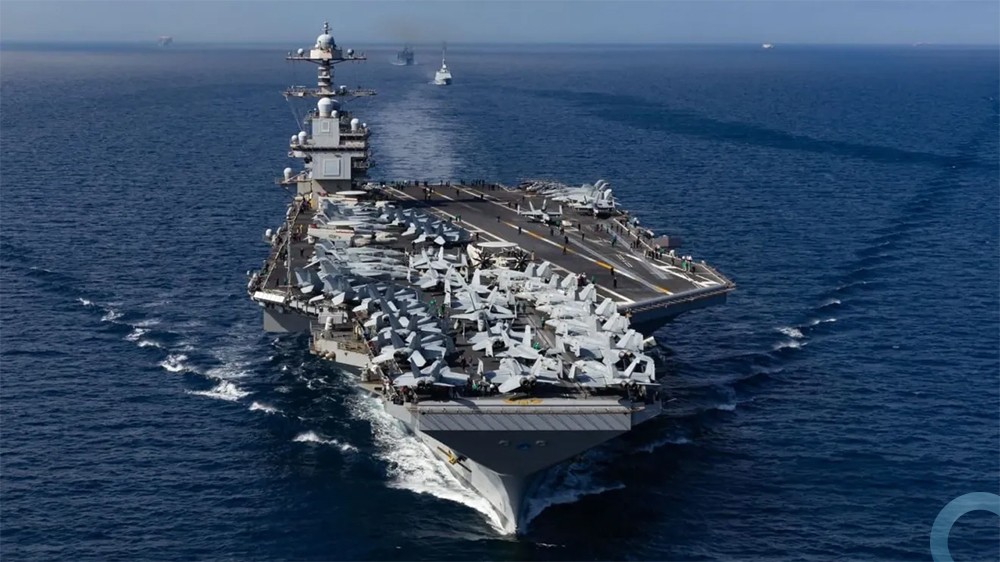
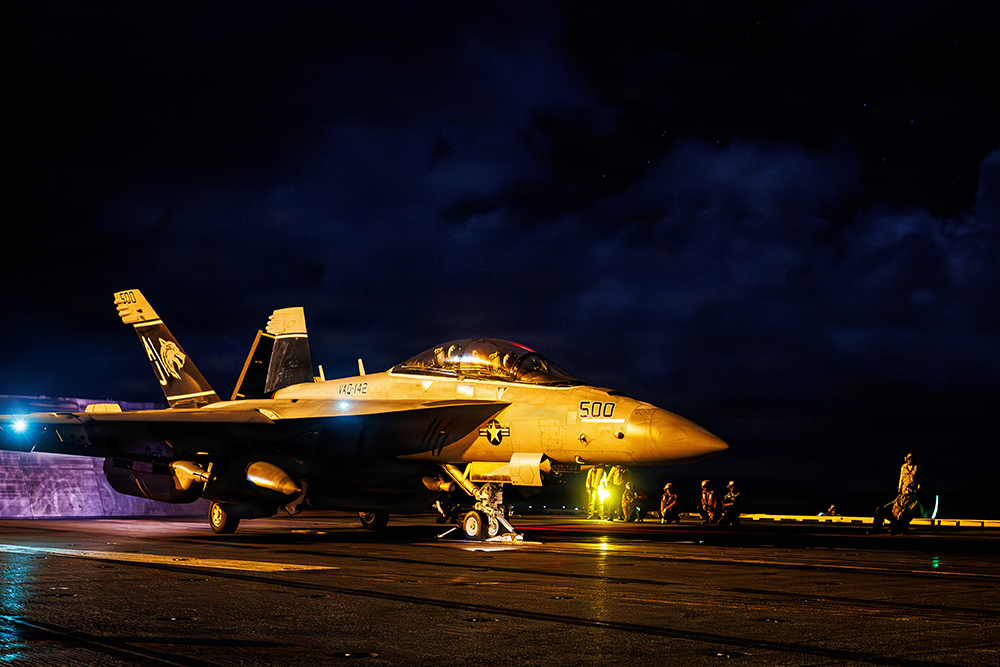
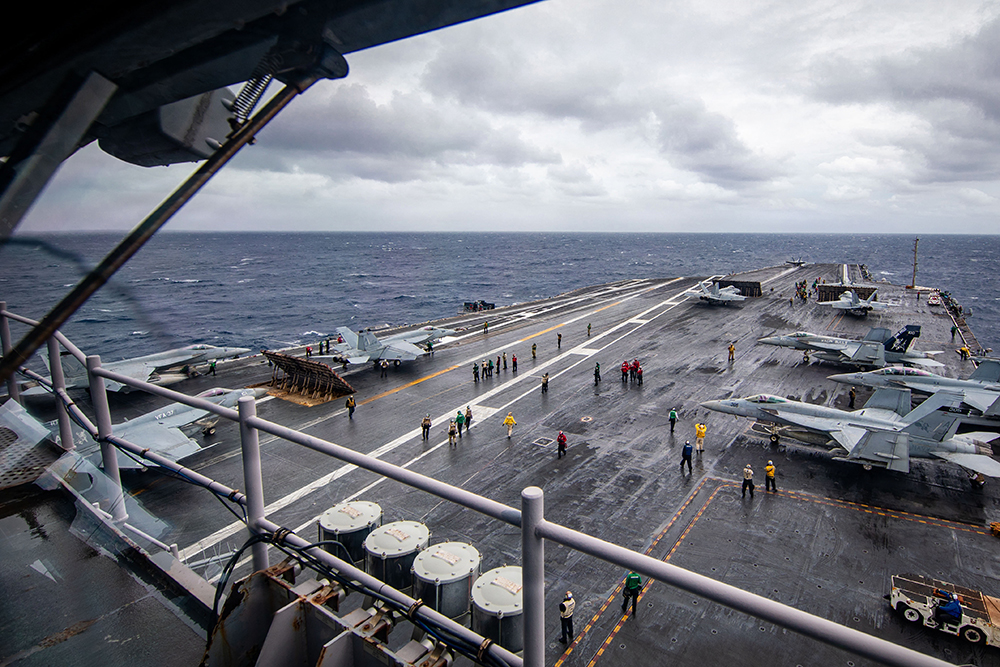
O porta-aviões USS CVN78 Gerald Ford
Fotos US Navyr e DVIDS
O ataque planejado pelos EUA ao Irã tem um problema: a maior parte da equipe responsável pelos mísseis está na fila para usar o banheiro no navio capitânea, o USS Gerald R. Ford (CVN 78)– Crise, Baheiros, não Funcionam Gerald R Ford.
Isto não é uma piada. Uma série de e-mails obtidos pela NPR, uma emissora pública americana, revela que houve uma verdadeira guerra por causa dos banheiros a bordo do navio mais caro já construído pela Marinha dos EUA. O Wall Street Journal confirmou a história hoje.
Resumo: Há poucos banheiros em funcionamento para 4.600 marinheiros e o problema está piorando a cada dia — não há como consertar o sistema sem devolver o navio aos estaleiros americanos.
GRANDES PROBLEMAS PARA DAR DESCARGA
Problema um: Os planejadores do projeto erraram ao incluir poucos banheiros para 4.600 marinheiros, o que levou a filas de 45 minutos diariamente.
Problema dois: Os engenheiros erraram ao instalar um sistema de vácuo frágil, no qual a quebra de uma única válvula em um dos banheiros pode paralisar o funcionamento de todos os banheiros de um departamento inteiro, aumentando ainda mais as filas.
Problema três: Algumas das operações de reparo temporárias (como o uso de ácido para remover o acúmulo de cálcio) só podem ser feitas com o navio atracado: o que não é viável.
Mas, com tantos banheiros fora de serviço, a pressão sobre os que ainda funcionam fica muito grande, e o problema só vai se espalhar.
Peça-chave na Força de Ataque dos EUA E os problemas vêm se acumulando gradualmente há mais de um ano. “Um e-mail do departamento de engenharia, datado de 18 de março de 2025 e enviado a todos os chefes do navio, informava que houve 205 avarias [nos banheiros] em quatro dias”, relatou a NPR.
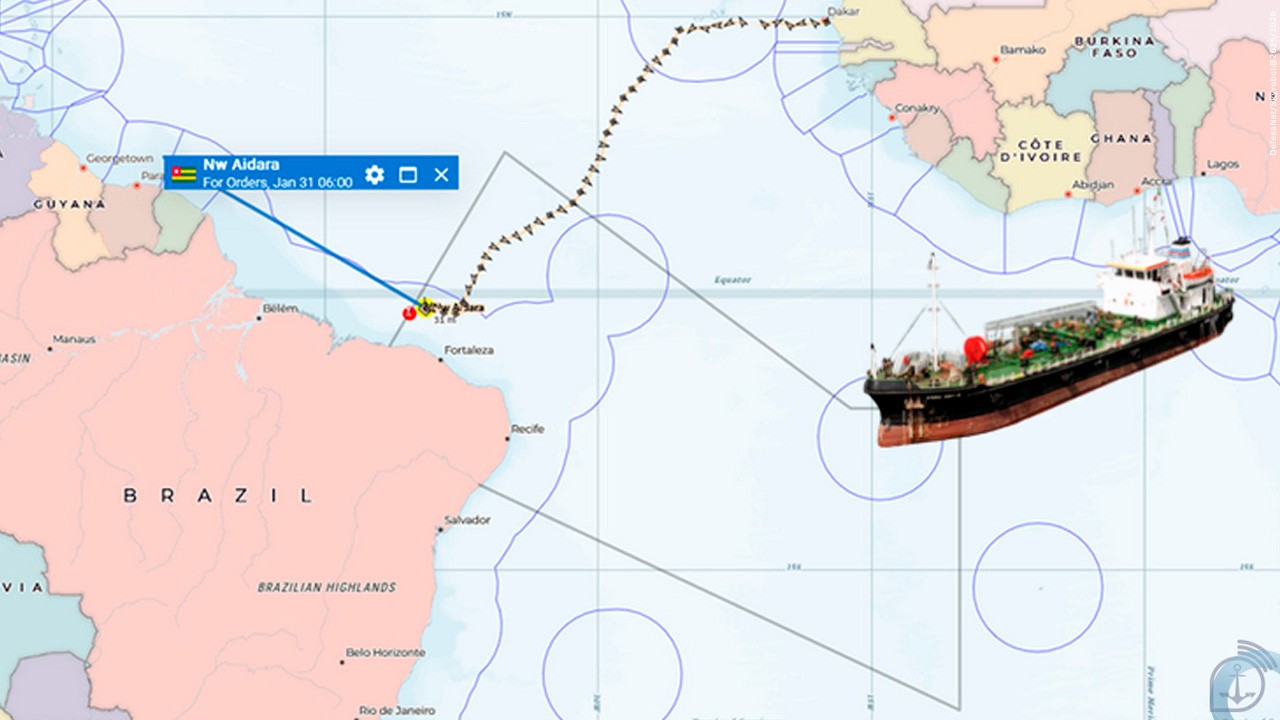
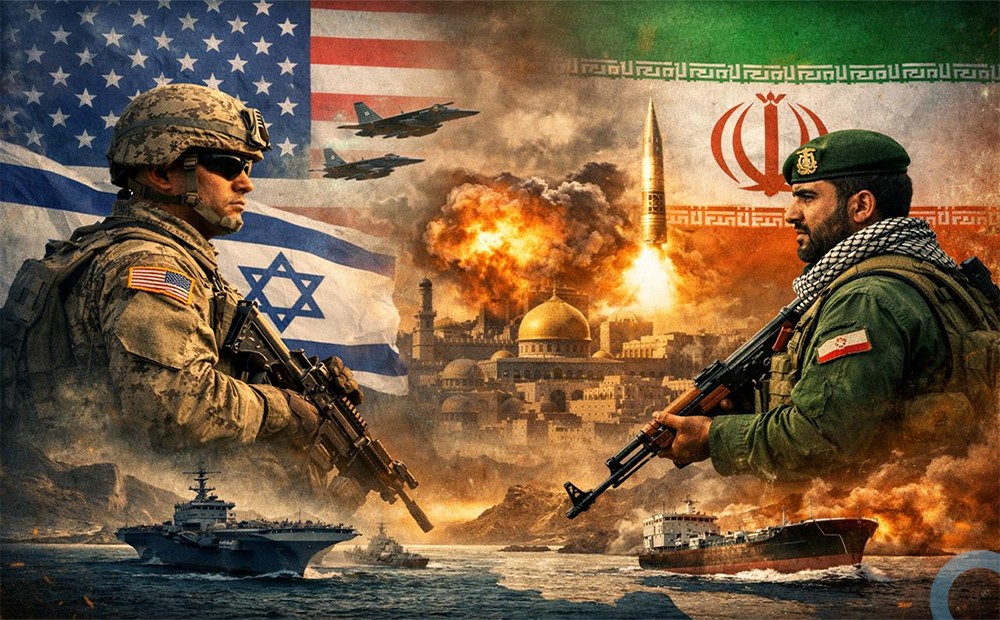
O navio está no centro das operações de ataque dos EUA no exterior, atuando há meses em águas próximas à Venezuela, apoiando o sequestro do presidente do país e a apreensão de navios que transportam petróleo para clientes, e agora lidera a planejada operação de mudança de regime no Irã. Israel quer um líder pró-Netanyahu instalado, como os EUA fizeram em muitos outros países. Mas como podem atacar o Irã enquanto os funcionários estão na fila para usar o banheiro?
GUERRA DE PALAVRAS A BORDO
Um dos resultados disso tudo é a guerra entre os marinheiros e a equipe de manutenção do sistema de esgoto a bordo (chamada de Técnicos de Casco, ou HTs). Um chefe de engenharia de esgoto reclamou que os marinheiros jogam todo tipo de material problemático nos vasos sanitários, incluindo camisetas: “Nosso sistema de esgoto está sendo maltratado e destruído pelos marinheiros diariamente. Meus técnicos estão trabalhando 19 horas por dia tentando dar conta da demanda.”
Suspiro. E o contribuinte americano gastou US$ 13 bilhões no navio. Por outro lado, seria ótimo se a desesperada falta de banheiros em funcionamento no porta-aviões, que ruma para atacar o Irã, que a missão fosse cancelada ou adiada.
THE PLANNED U.S. ATTACK ON IRAN has a hitch: most of the missile-targeting crew are queuing for toilets on the lead vessel, the USS Gerald R Ford.
This is not a joke. A set of emails was obtained by NPR, a US public broadcasting group, revealing that toilet wars have broken out on board the most expensive ship the US Navy ever built. The Wall St Journal followed up to confirm the tale today.
TLDR Summary: There are too few functioning toilets for 4,600 sailors and the problem is worsening daily—there’s no chance of fixing the system without returning the ship to the US dockyards.
BIG PROBLEMS TO DISCHARGE
Problem one: Design planners screwed up by including too few toilets for 4,600 sailors, leading to 45-minute queues on a daily basis.
Problem two: Engineers screwed up by installing a fragile vacuum system in which a single valve breakdown on one toilet can stop all the toilets in an entire department functioning—making the queues even longer.
Problem three: Some of the temporary repair operations (such as using an acid flush to clear out calcium build-ups) can only be done while the ship is docked: no prospect of that. But with so many toilets out of order, too much pressure is put on the ones still working, so the problem will just spread.
KEY PLAYER IN U.S. ATTACKS And the issues have been gradually mounting for more than a year. “A March 18, 2025 email from the engineering department sent out to all chiefs on the ship said there were 205 [toilet] breakdowns in four days,” the NPR reported.
The ship is at the heart of US overseas attack operations, working for months in waters near Venezuela, to support the abduction of the country’s president and the seizing of ships carrying oil to customers, and is now heading the planned regime change operation in Iran. Israel wants a pro-Netanyahu leader installed, as the US has done in many other countries. But how can they attack Iran while staff are queuing for the loo? .
WAR OF WORDS ON BOARD
One result of all this is war between sailors and on-board sewage staff (called Hull Technicians, or HTs).
One sewage engineering head complained that the sailors put all sorts of problematic material down the toilets, including t-shirts: “Our sewage system is being mistreated and destroyed by Sailors on a daily basis. My HT’s are currently working 19 hours a day right now trying to keep up with the demand.”
Sigh. And the US taxpayer spent US$13 billion on the ship. On the plus side, it would be delightful if the carrier’s desperate lack of functioning toilets caused the attack on Iran was cancelled or postponed.
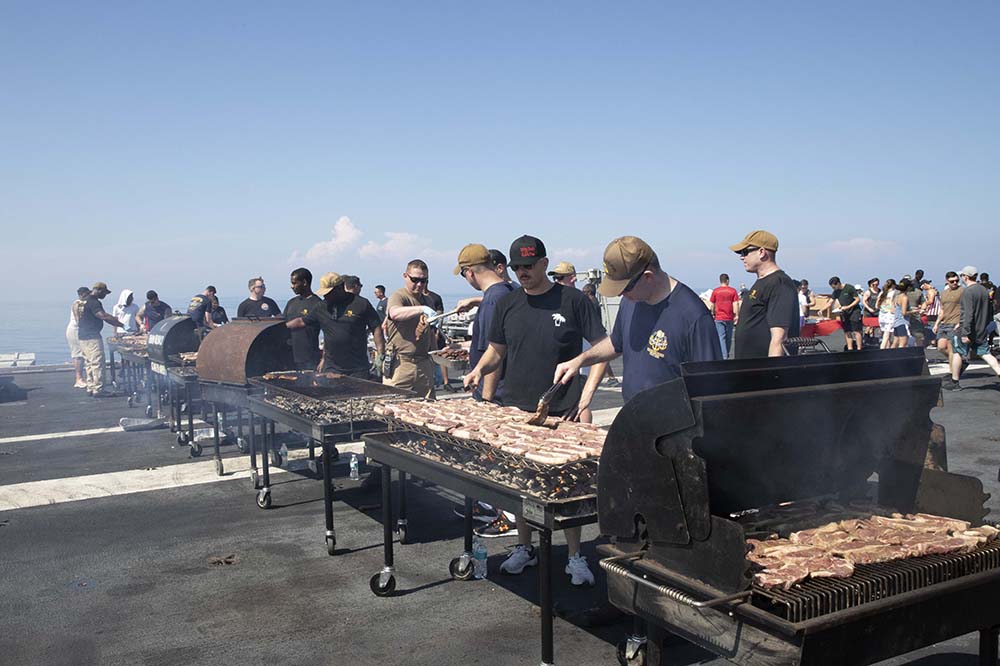
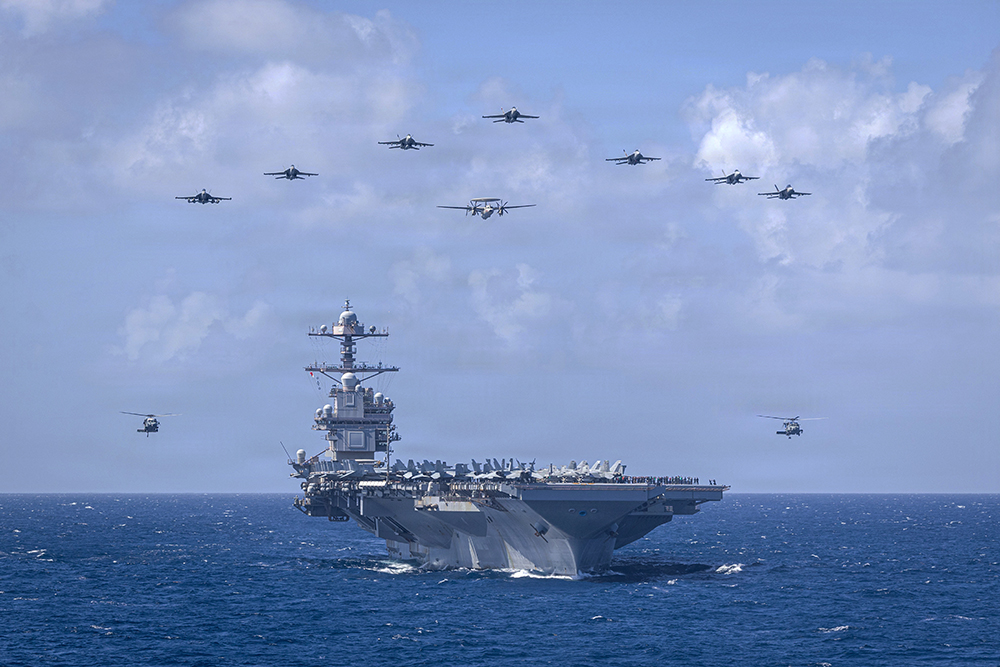
Picnic na Prais de Aço (steel beach picnic) para comemorar o 4 Julho de 2023 Foto US Navy