

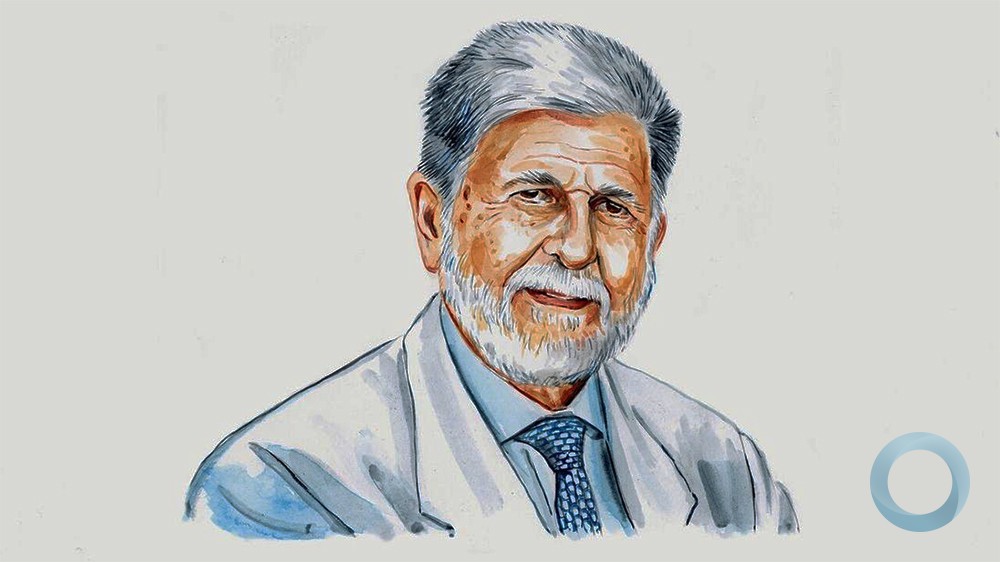
Texto de Celso Amorim publicado na revista The Economist, da Inglaterra, em 19JAN2026
Nota DefesaNet
Tanto o artigo de Lula, no dia 18JAN2026, no The New York Times como o de Celso Amorim na revita The Economist seguem uma linha que merece ser analisada,
Claramente texto saidos da pena de Celso Amorim que ao longo de 25 anos, tantop no comando da Diplomacia, Defessa ou eminência parda sempre obteve resultados ou confrontos contestáveis.
1 – The New York Times – 18 Janeiro 2026, edição web, e 20 Janeiro edição impressa
Lula: Este Hemisfério Pertence a Todos Nós
Lula: This Hemisphere Belongs to All of Us
2 – The Economist – 19 Janeiro 2026
Celso Amorim – Como podemos viver em um mundo sem regras?
Celso Amorim – How can we live in a world without rules?
3 – Jornal Valor 12 Janeiro 2026
Ajuda de Lula à Venezuela tem cálculo político
O Editor
Celso Amorim – Como podemos viver em um mundo sem regras?
Celso Amorim
é o principal assessor internacional do presidente Luiz Inácio Lula da Silva, do Brasil.
Ele foi ministro das Relações Exteriores do país de 1993 a 1994 e de 2003 a 2010,
e ministro da Defesa de 2011 a 2014.
Enquanto explosões ecoavam em Caracas, capital da Venezuela, na madrugada de 3 de janeiro, algo mais estava sendo destruído: a certeza de que a América do Sul é, e continuará sendo, um continente de paz. A visão de chamas e aeronaves militares sobre uma capital sul-americana era ao mesmo tempo incomum e tragicamente surreal.
As imagens do sequestro forçado de um presidente em exercício evocam mais a captura de Saddam Hussein, o falecido líder do Iraque, do que os golpes de Estado das décadas de 1960 e 1970 na América Latina. Até mesmo a morte do presidente Salvador Allende durante o sangrento golpe de Estado no Chile, em 1973, foi cercada por uma aura de heroísmo, totalmente ausente no presente caso.
Para a maioria das pessoas na região, a intervenção militar estrangeira parecia coisa do passado. Entre o final do século XIX e o início do século XX, potências de fora da América do Sul, por vezes, recorriam a bloqueios navais ou ameaças de uso da força para proteger interesses privados. Isso foi antes dos grandes desenvolvimentos no direito internacional do século XX. Tais intervenções só eram possíveis — ou assim pensávamos — antes da consolidação de instrumentos jurídicos como a Convenção das Nações Unidas sobre o Direito do Mar, os mecanismos de arbitragem e, claro, a Carta das Nações Unidas, que se baseia no princípio da igualdade soberana dos Estados e proíbe a ameaça ou o uso da força contra a integridade territorial ou a independência política de qualquer Estado.
Mesmo durante a Guerra Fria, as disputas sobre os limites das chamadas esferas de influência na América do Sul não levaram a violações flagrantes das fronteiras nacionais. Essa contenção, no entanto, não impediu intervenções secretas por agências de inteligência estrangeiras, incluindo o apoio à derrubada de governos eleitos sob o pretexto de combater o comunismo. Mesmo assim, no final do século XX, a região estava lançando as bases para a integração econômica, finalmente canalizando décadas de paz em desenvolvimento. Essa confiança se dissipou.
A intervenção na Venezuela levanta uma questão maior que define cada vez mais a política internacional: como podemos viver em um mundo sem regras? Os pilares do direito internacional, concebidos para regular a segurança coletiva, disciplinar o comércio mundial e promover os direitos humanos, estão sendo minados simultaneamente. A erosão, uma vez iniciada, é difícil de reverter. Como muitos já disseram, estamos caminhando de volta para um Estado hobbesiano, onde a força militar é o principal determinante da independência de fato de um país e no qual a guerra é vista novamente como um meio legítimo de mudança.
Quando não há leis que governem as relações entre os países, a própria imprevisibilidade se torna uma fonte formidável de poder e intimidação. O “princípio da incerteza”, desenvolvido no âmbito da física quântica, parece ter encontrado eco nas relações internacionais. Formulada por Werner Heisenberg, um físico alemão, ela afirma que a posição e o momento de uma partícula não podem ser conhecidos simultaneamente com precisão. Agora podemos dizer o mesmo sobre o comportamento dos Estados: tudo pode acontecer a qualquer momento.
É um momento em que países de todo o mundo estão repensando suas estratégias nacionais. O atual cenário geopolítico reforça a escolha do Brasil de se abrir à cooperação com uma ampla gama de parceiros, da América Latina aos BRICS e além. Para a maioria dos países, investir na diversificação de parcerias e na autonomia tecnológica continuará sendo o melhor caminho. O mesmo se aplica ao engajamento contínuo com as instituições multilaterais existentes, preservando o que ainda pode ser mantido das normas e princípios estabelecidos.
O respeito à soberania e à não intervenção não deve ser abandonado. Devemos aprender com a história. Mesmo nas circunstâncias mais desafiadoras, a intervenção estrangeira — especialmente a intervenção militar — não é a resposta. A busca por soluções pacíficas por meio do diálogo deve permanecer a prioridade.
O Brasil fez uma aposta existencial na paz. O uso da energia nuclear exclusivamente para fins pacíficos está consagrado em nossa Constituição, assim como a solução pacífica de controvérsias e a busca pela integração regional. Este é o caminho que o Brasil escolheu e pretende seguir mesmo em circunstâncias adversas.
A assinatura do tão aguardado acordo comercial entre o Mercosul e a União Europeia — um acordo com o qual meu bom amigo Durão Barroso (então ministro das Relações Exteriores de Portugal) e eu começamos a sonhar há cerca de 30 anos — tem um significado ainda maior neste contexto. O resultado pode não satisfazer plenamente todos os 31 países envolvidos. No entanto, demonstra que negociações respeitosas, mesmo que longas e árduas, ainda são o melhor caminho. O Mercosul também finalizou recentemente acordos comerciais com Singapura e a Associação Europeia de Livre Comércio (Islândia, Liechtenstein, Noruega e Suíça).
Devemos continuar a trabalhar pela reforma das instituições internacionais, particularmente para abordar a relativa falta de representação do Sul Global. O equilíbrio internacional depende de todos os atores, incluindo a Europa, terem uma representação autêntica e independente.
Celso Amorim – How can we live in a world without rules?
Celso Amorim
is chief international adviser to President Luiz Inácio Lula da Silva of Brazil.
He was the country’s foreign minister from 1993 to 1994 and from 2003 to 2010,
and its defence minister from 2011 to 2014.
Heisenberg’s uncertainty principle has come to geopolitics, writes Celso Amorim, Brazil’s presidential adviser
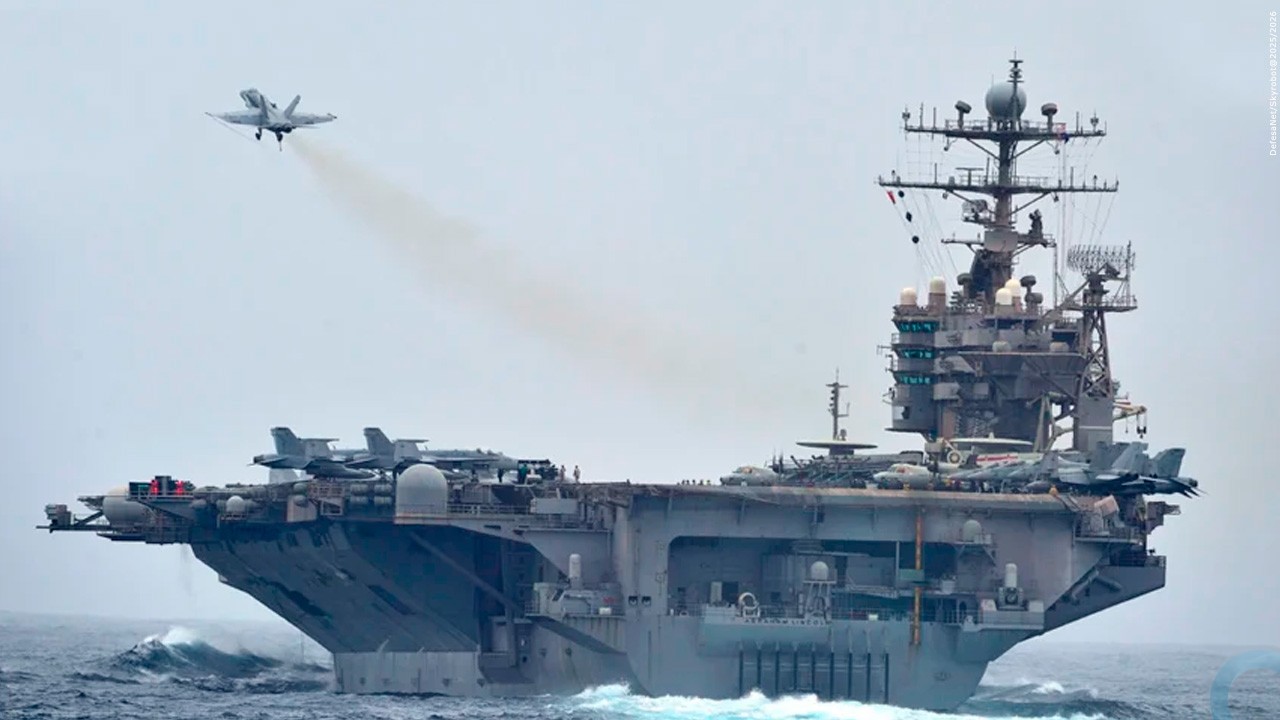
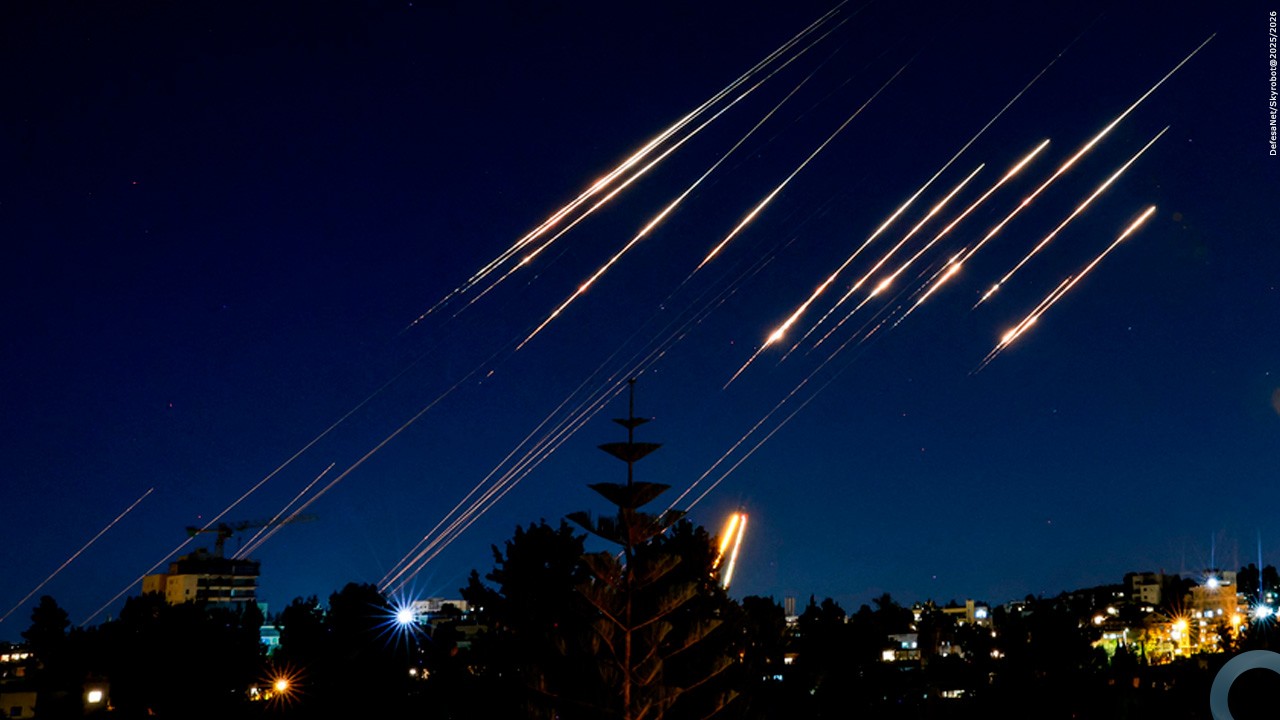
As explosions were heard in Caracas, the Venezuelan capital, in the early morning of January 3rd, something else was being shattered: the certainty that South America is, and will remain, a continent of peace. The sight of flames and military aircraft over a South American capital was both unfamiliar and tragically surreal.
The images of the forceful abduction of a sitting president are more evocative of the capture of Saddam Hussein, Iraq’s late leader, than of the coups d’état of the 1960s and 1970s in Latin America. Even the death of President Salvador Allende during Chile’s bloody coup of 1973 was surrounded by a halo of heroism, entirely absent in the present case.
For most people in the region, foreign military intervention seemed a thing of the past. Between the late 19th and early 20th centuries, powers from outside South America did, at times, resort to naval blockades or threats of force to protect private interests. That was before the major developments in international law of the 20th century. Such interventions were only possible—or so we thought—before the consolidation of legal instruments such as the Law of the Sea, mechanisms of arbitration and, of course, the United Nations Charter, which is based on the principle of sovereign equality of states and prohibits the threat or use of force against the territorial integrity or political independence of any state.
Even during the cold war, disputes over the boundaries of so-called spheres of influence in South America did not lead to overt violations of national borders. This restraint, however, did not preclude covert interventions by foreign intelligence agencies, including support for the overthrow of elected governments under the pretext of combating communism. Nevertheless, by the end of the 20th century the region was laying the foundations for economic integration, finally channelling decades of peace into development. That confidence has faded.
The intervention in Venezuela raises a larger question that increasingly defines international politics: how can we live in a world without rules? Pillars of international law designed to regulate collective security, discipline world trade and promote human rights are being undermined all at once. The erosion, once begun, is hard to reverse. As many have said, we find ourselves edging back towards a Hobbesian state, where military strength is the main determinant of a country’s de facto independence, and in which war is once again seen as a legitimate means of change.
When there is no law governing relations between countries, unpredictability itself becomes a formidable source of power and intimidation. The “uncertainty principle”, developed in the realm of quantum physics, appears to have found an echo in international affairs. Formulated by Werner Heisenberg, a German physicist, it holds that a particle’s position and momentum cannot be known simultaneously with precision. We can now say the same about the behaviour of states: anything can happen at any time.
It is a time in which countries everywhere are rethinking their national strategies. The current geopolitical landscape reinforces Brazil’s choice to open itself to co-operation with a wide range of partners, from Latin America to the brics and beyond. For most countries, investing in the diversification of partnerships and in technological autonomy will remain the better course. So, too, will continued engagement with existing multilateral institutions, salvaging what can still be preserved of established norms and principles.
Respect for sovereignty and non-intervention should not be abandoned. We should learn from history. Even in the most challenging circumstances, foreign intervention—especially military intervention—is not the answer. The pursuit of peaceful solutions through dialogue must remain the priority.
Brazil has made an existential bet on peace. The use of nuclear energy exclusively for peaceful purposes is enshrined in our constitution, as are the peaceful settlement of disputes and the pursuit of regional integration. This is the path Brazil has chosen and intends to follow even in adverse circumstances.
The signing of the long-awaited trade agreement between Mercosur and the European Union—an accord that my good friend Durão Barroso (then foreign minister of Portugal) and I began dreaming of some 30 years ago—has added significance in this context. The outcome may not fully satisfy all of the 31 countries involved. It nonetheless shows that respectful negotiations, even when long and burdensome, are still the best way. Mercosur has also recently finalised trade deals with Singapore and the European Free Trade Association (Iceland, Liechtenstein, Norway and Switzerland).
We should continue to work for the reform of international institutions, particularly to address the relative lack of representation from the global south. International balance depends on all actors, including Europe, having an authentic and independent voice on the world stage and contributing to a positive and open multipolarity. Brazil will continue to work with Europe, China and others committed to multilateral institutions and the primacy of international law. Let us hope that together we will be able to prevent a further descent into violence and anarchy. ■