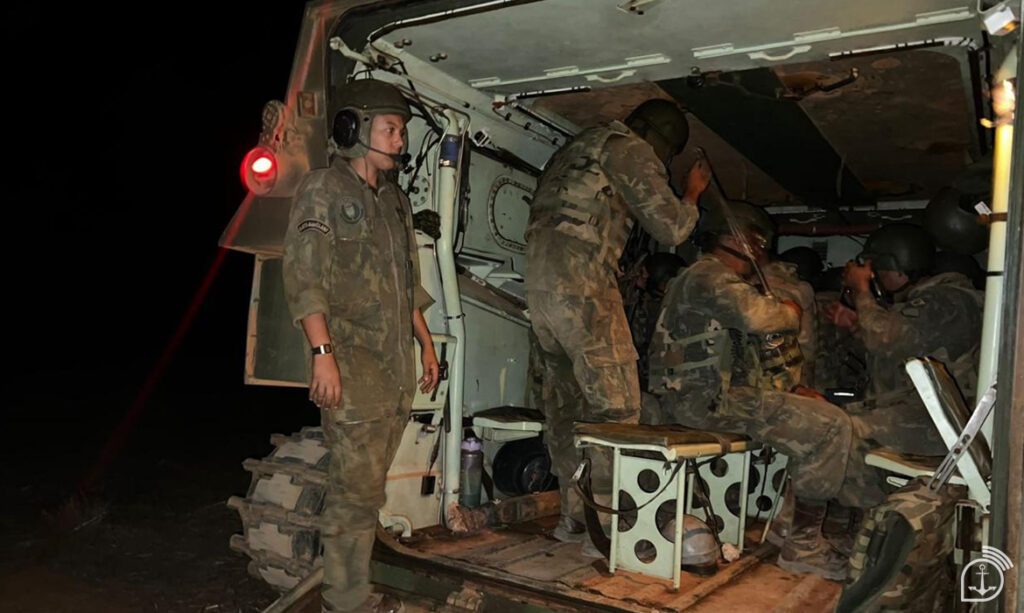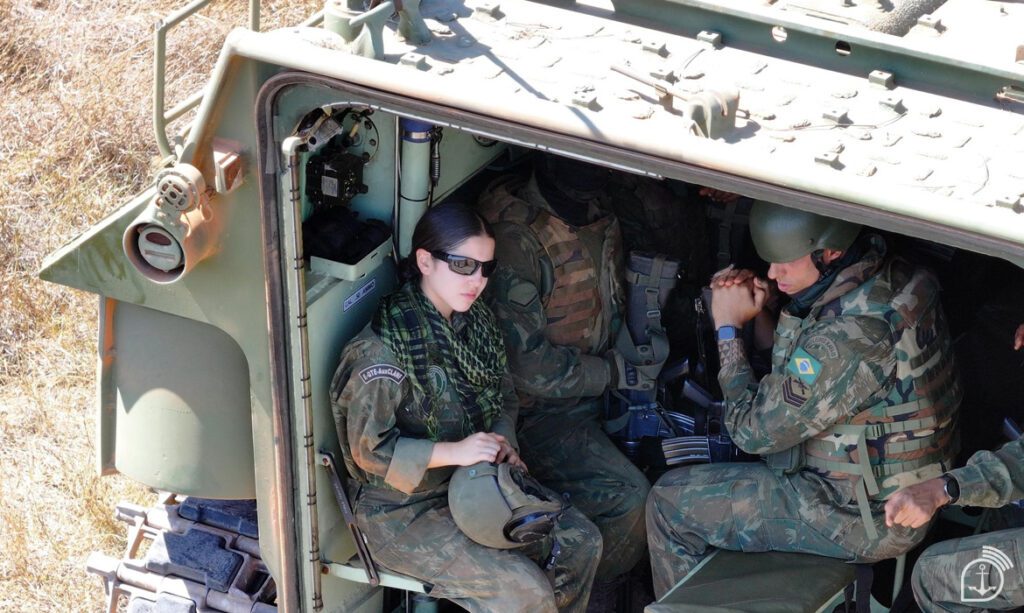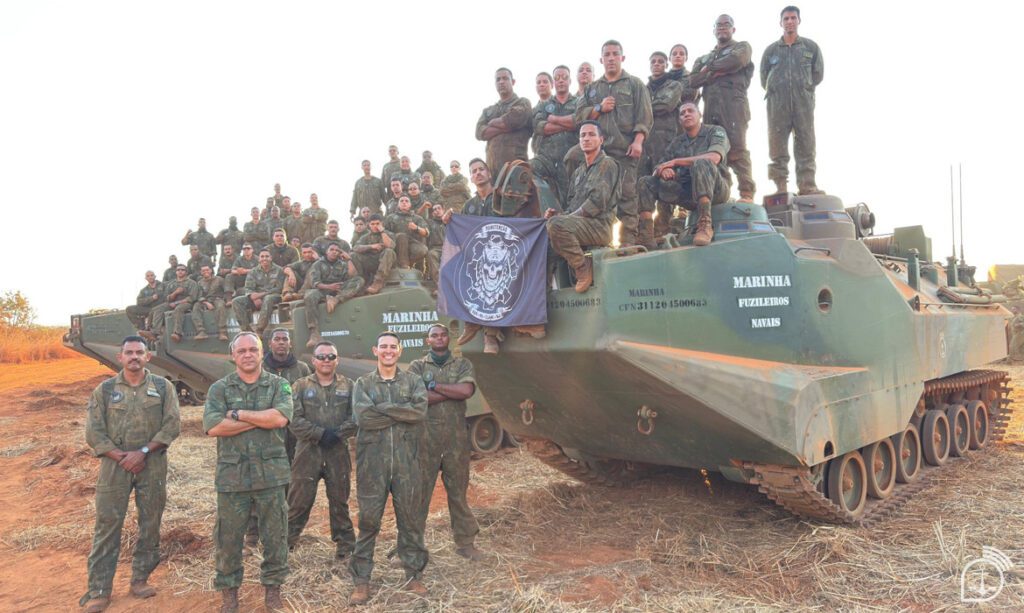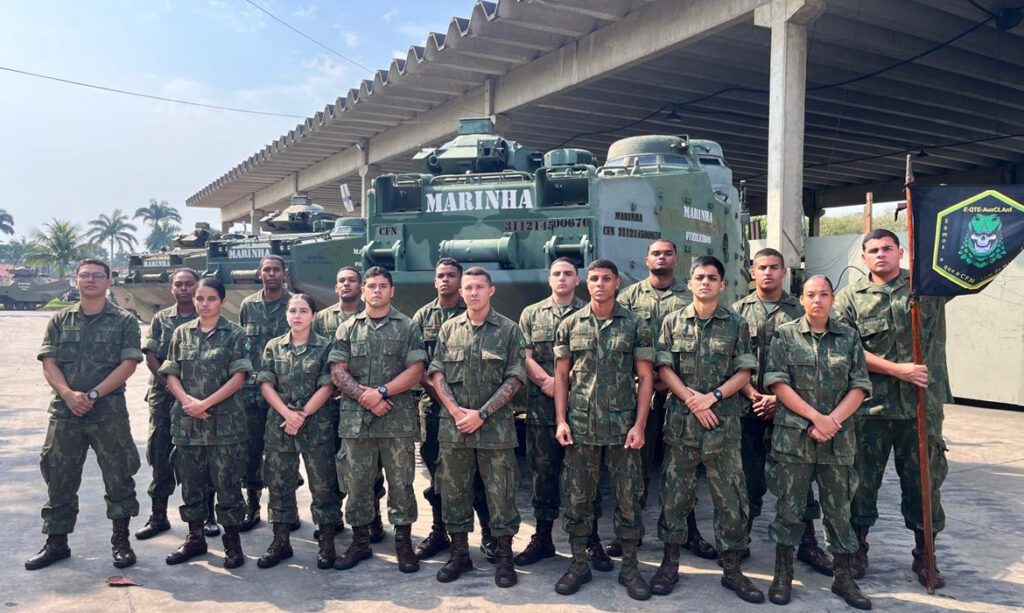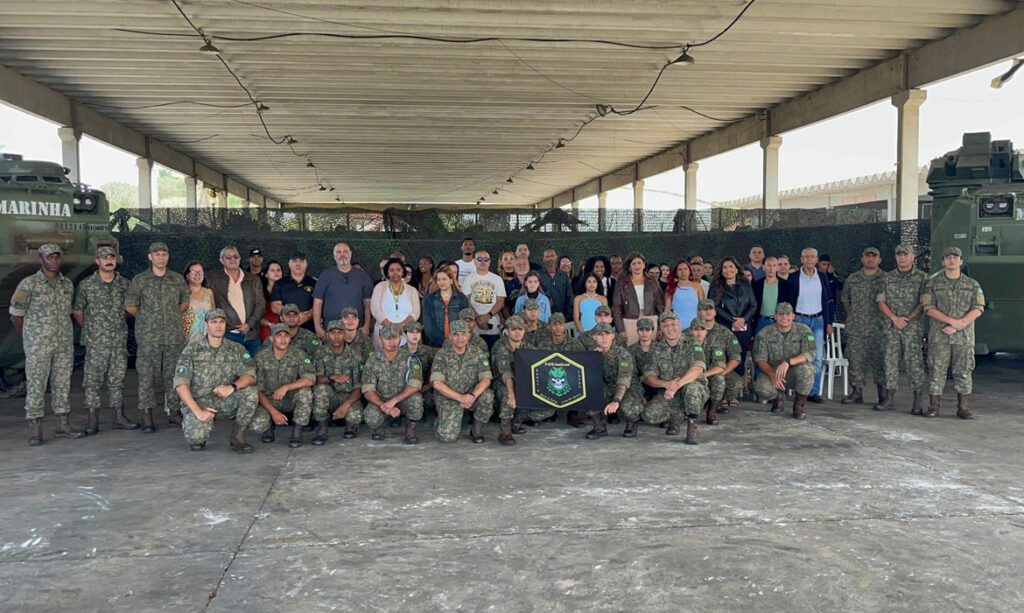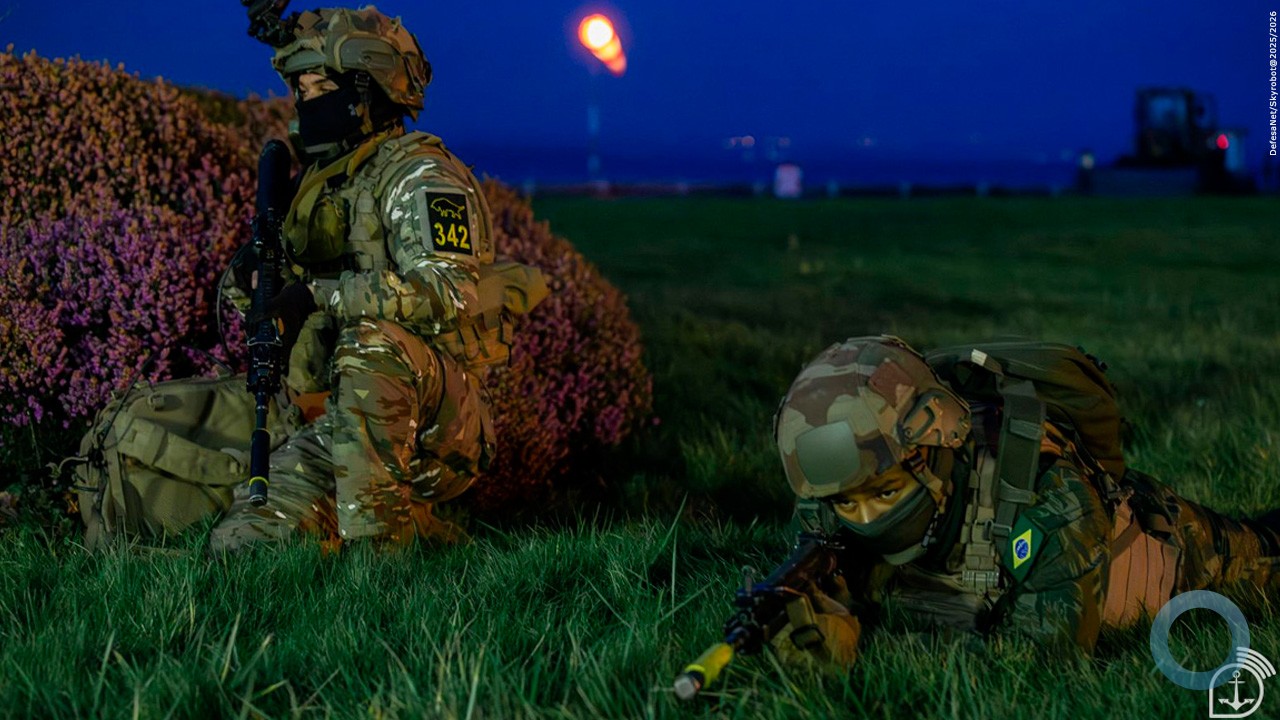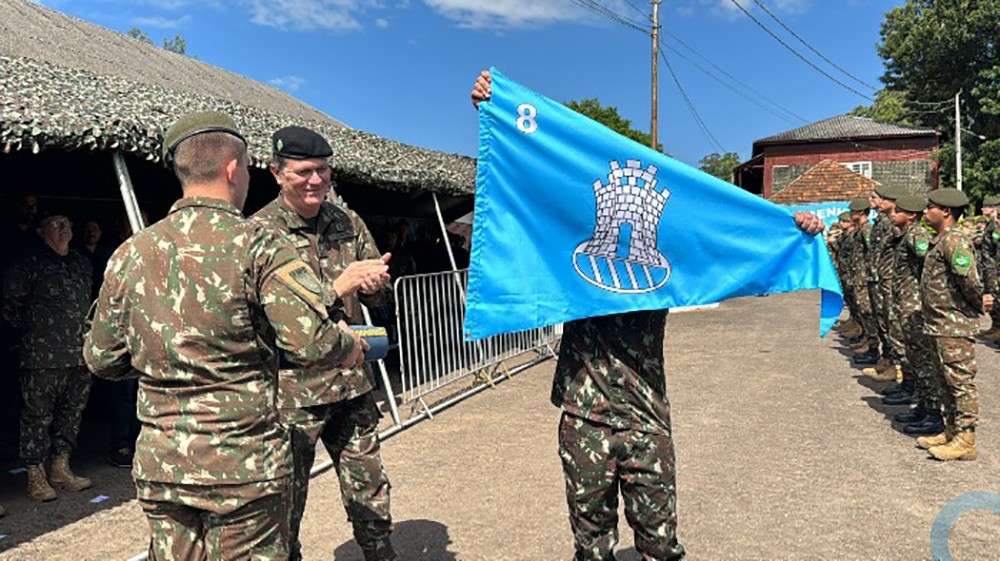



Military personnel take part in an operation in the cerrado after more than 200 hours of theoretical and practical instruction
First-Lieutenant (T) Rafaella Leal
Photos Agência Marinha de Notícias
https://www.agencia.marinha.mil.br/
Note DefesaNet
Text in Portuguese Fuzileiros Navais – Capacitação inédita forma primeiros Soldados Auxiliares de CLAnf
Text in English Marines – Unprecedented training forms the first Auxiliary Soldiers of CLAnf
Due large number of visit coming from foreign DefesaNet translate ist to English and republish
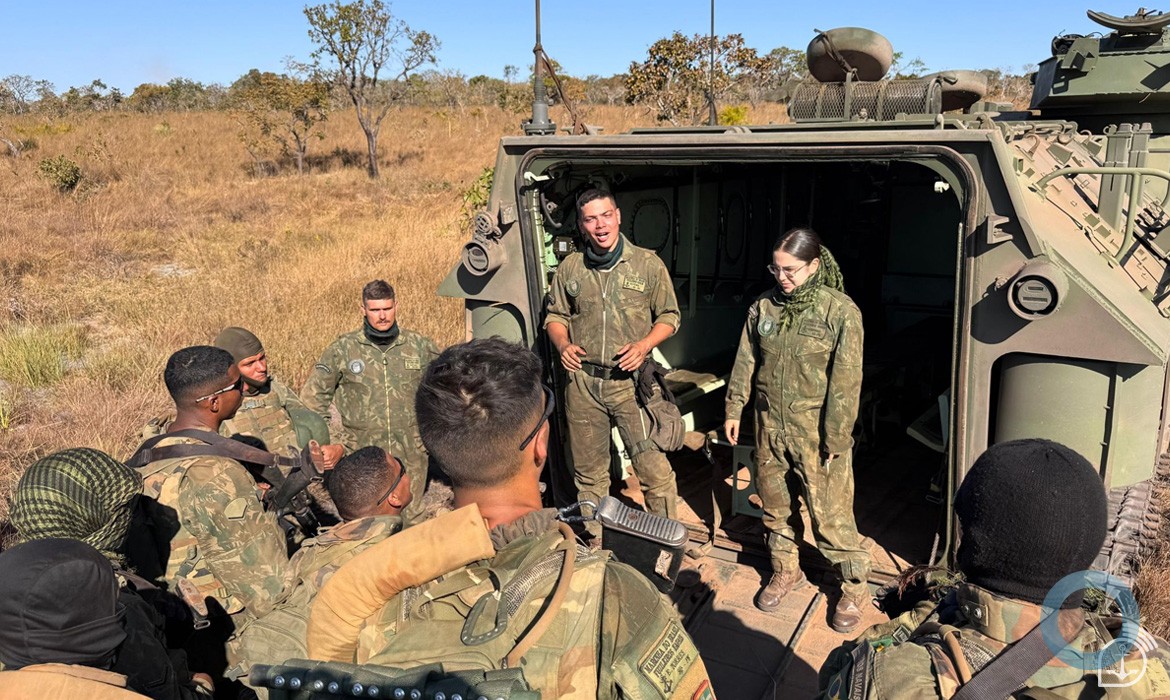
From the classroom to the field: the Amphibious Tracked Car Auxiliary Soldiers (CLAnf) of the Marine Corps (CFN) are already putting into practice the training they completed in September of this year. The 16 soldiers who recently graduated from the Special Technical Qualification Internship (E-QTE-AuxCLAnf)—including four women—began their work during Operation Atlas – Combined Arms, conducted in the Midwest. This training marks an important step in the technical development of the soldiers, who now comprise the first class with this specialty.
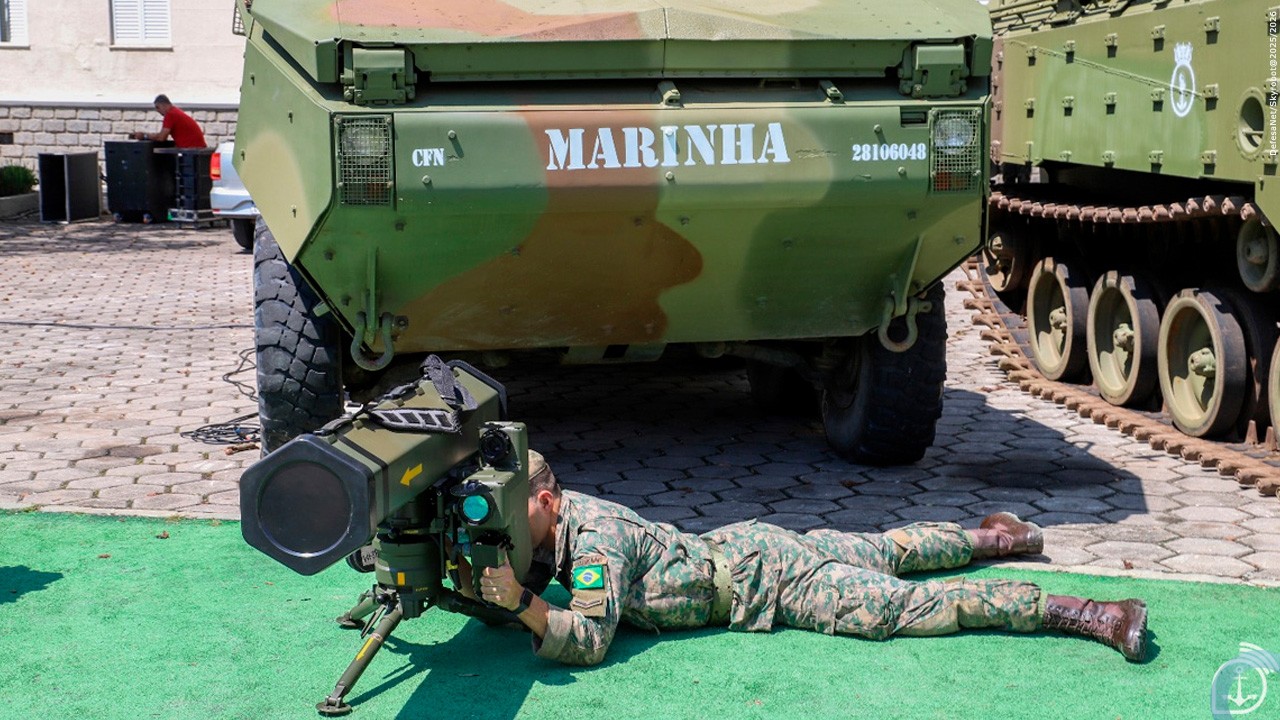
During almost 200 hours of theoretical and practical instruction, the Soldiers were trained to act as direct support in Amphibious Operations, assisting vehicle operators and commanders, in addition to performing preventive maintenance, inspections and basic repairs on vehicles.
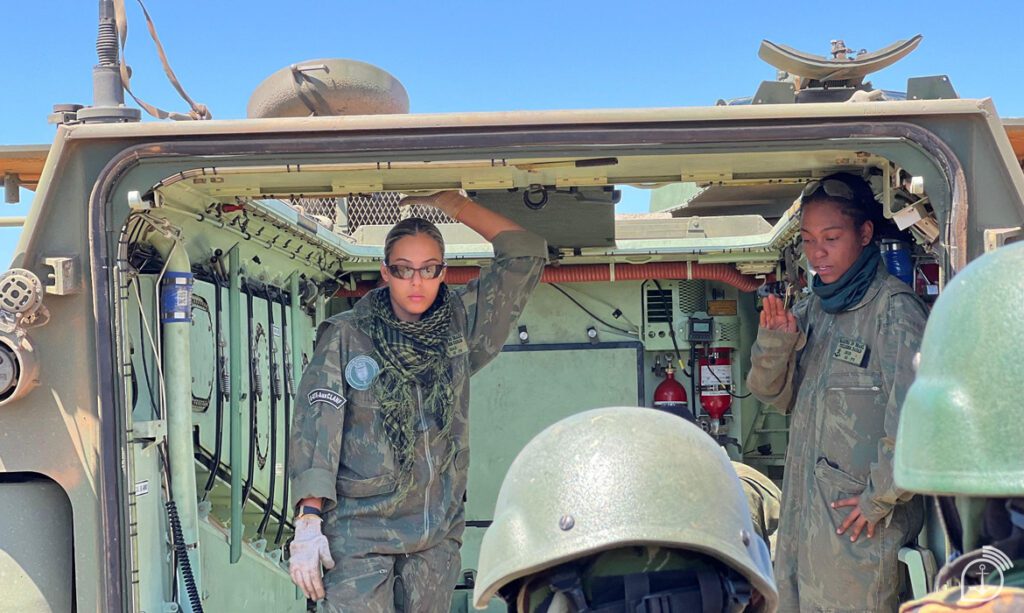
During almost 200 hours of theoretical and practical instruction, the Soldiers were trained to act as direct support in Amphibious Operations, assisting vehicle operators and commanders, in addition to performing preventive maintenance, inspections and basic repairs on vehicles.
“I chose the CLAnf course because of its importance in Amphibious Operations and the challenge it represents. I wanted to train myself to operate in different situations and expand my contribution to the troops,” said Private (Marine) João Vitor Alexandre Kock da Silva, 22, who placed third in his class.
The sense of honor and responsibility of being part of the first class is shared by all. For Private Kaique Araújo Lopes, 20, the experience represented the realization of a long-held dream.
“I’ve always wanted to serve in the Amphibious Vehicle Battalion and be in contact with the vehicle. When the opportunity arose, I couldn’t pass it up. Working with the CLAnf, whether in maintenance, missions, or maneuvers, is a unique experience,” he said..
Marine Corps Soldier Iris Angelo da Silva da Rosa, 22, considers completing her internship a reconnection with her roots. Originally from Niterói, Rio de Janeiro, she now serves in the Amphibious Vehicle Battalion, located in São Gonçalo, Rio de Janeiro, a neighboring municipality. .
The path may be tiring, but the end is rewarding. We’ve learned a lot and are ready to support missions and contribute even more to the Force,” he emphasized.
The soldier was also a pioneer in completing her training as a Soldier in the first class with women in attendance, in 2024.
The subjects studied included “Communications System Operation,” “Amphibious Tracked Vehicle,” “The Auxiliary Function with the CLAnf on Water and Land,” and “Basics of Weapons Stations.” The internship provided participants with the technical expertise needed to operate in real-world situations, strengthening the Marine Corps’ readiness and expeditionary capability.
I hope to continue evolving professionally, seeking new courses and qualifications, always dedicating myself to the maximum to be prepared for any mission,” added João Vitor, now a CLAnf Assistant.
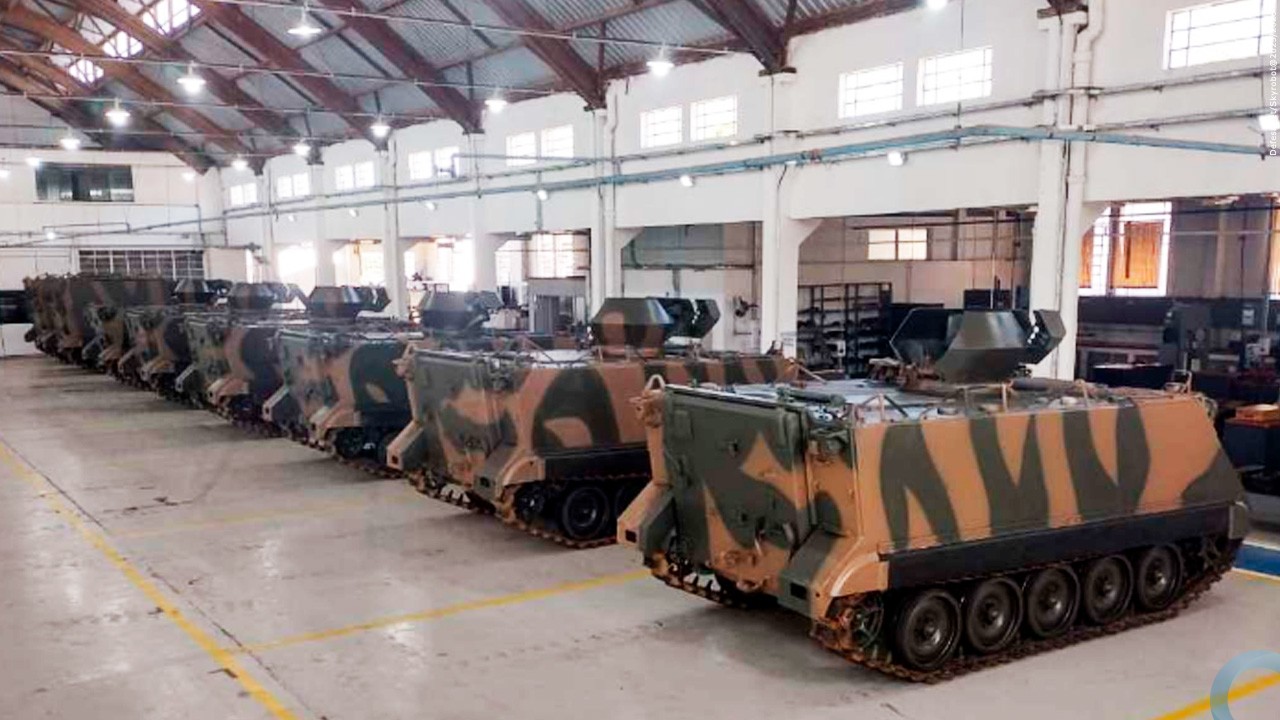
The Amphibious Tracked Vehicle (CLAnf)
The Amphibious Tracked Vehicle (CLAnf) play an essential role in CFN operations, ensuring tactical mobility in difficult-to-access environments and in landing scenarios. Capable of traveling on both land and water, the vehicles offer strategic versatility to troops, reinforcing the Brazilian Navy’s readiness for sovereignty defense missions and support for joint operations.
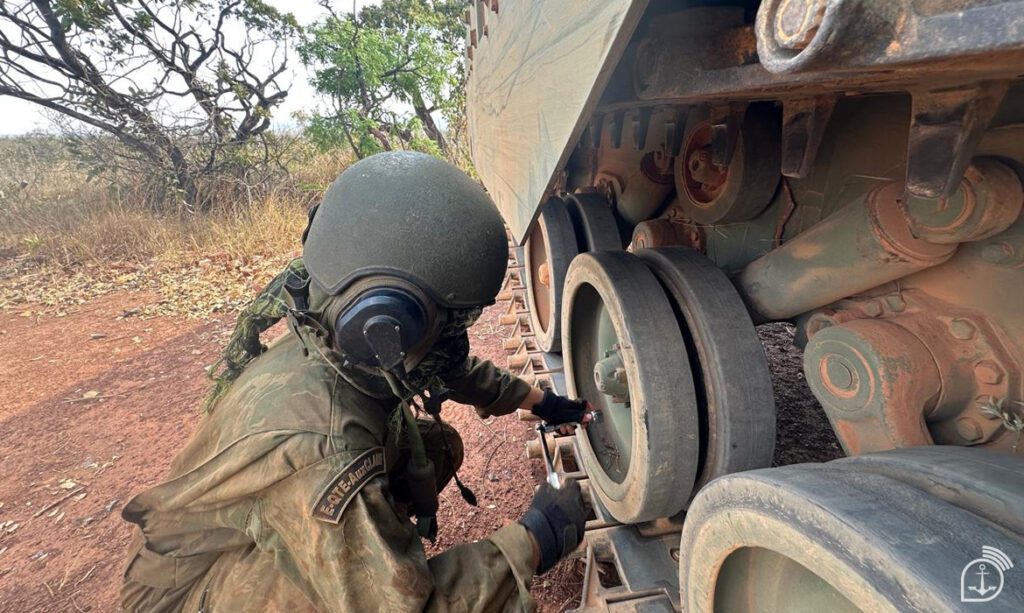
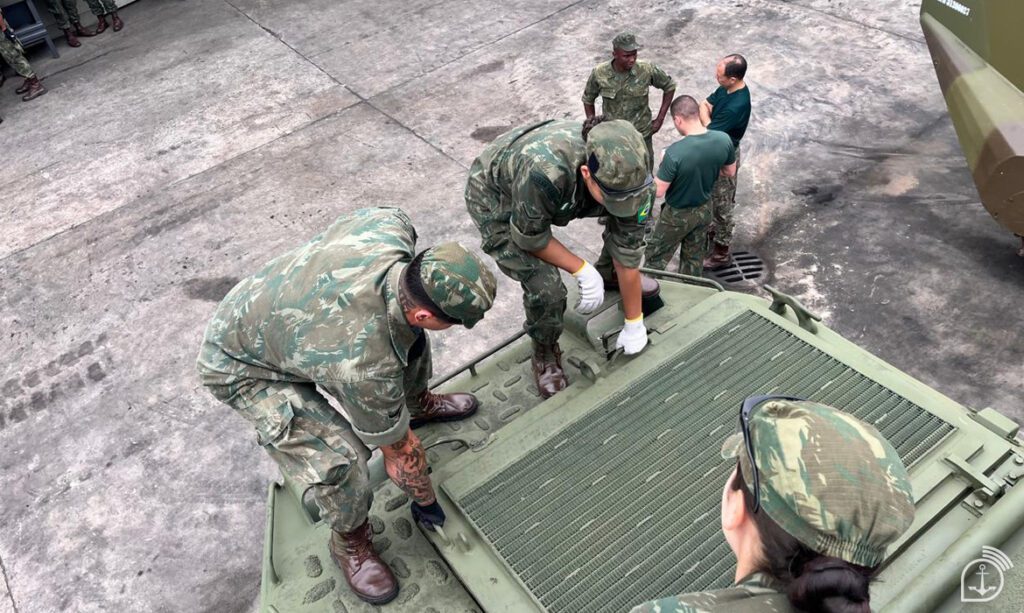
Knowing how to perform preventive maintenance on the CLAnf is one of the course requirements – Image: Agência Marinha
The use of CLAnf is directly linked to the CFN’s expeditionary capabilities, which maintain a permanent state of readiness to operate anywhere in the country or on international missions. In addition to enabling the transport of military personnel and equipment in adverse situations, the armored vehicles provide protection against threats in conflict zones, playing a key role in the Naval Force’s deterrent power. The vehicles can navigate waves up to three meters high and reach speeds of up to 13 km/h (8 mph) in water and 72 km/h (45 mph) on land. Capable of sailing for 7 hours and traveling 321 km (200 miles) on land, they feature special stability and displacement systems, making them highly versatile in a variety of environments.
To operate these vehicles, Marines undergo rigorous training, ranging from driving to onboard systems maintenance. The technical and physical preparation of these soldiers ensures that the CLAnf are always ready to perform their duties, maintaining the high level of efficiency required by the Marines
Photo Gallery