



The president expressed concern about Trump’s offensive in the neighboring country and wanted to know more about risks in Brazil.
The Armed Forces went from deterrence on the border with Venezuela, due to the Essequibo crisis, to emergency negotiations in the face of the action in Caracas. Military Equipment
Note DefesaNet
Original article printed in Folha de São Paulo, February 20, 2026.
Lula pediu leitura de cenários após captura de Maduro, e militares listaram vulnerabilidades aéreas
The Editor
Vinicius Sassine
Folha de São Paulo
20 Fevereiro 2026
The capture of Nicolás Maduro by United States forces led the Lula (PT) government to conduct a broad recalculation of routes and scenario analyses in the military field. The Brazilian president expressed concern about the American operation and asked the Armed Forces for an assessment of Brazil’s vulnerability.
Lula met with military officials and received a diagnosis of Brazilian capabilities. The picture indicated, for example, that the country does not have sufficient anti-aircraft defense equipment to serve as a deterrent to foreign action.
The landscape of Brazilian defense has changed rapidly in the last two years in the face of the Maduro factor. At the end of 2023, when the Venezuelan dictator moved to seize part of Guyana (the Essequibo region), the Armed Forces mobilized aircraft, troops, armored vehicles, and missiles to the border region.
At that time, Brazilian intelligence sectors had detected the possibility of Maduro leading a land invasion of Guyana—which would mean passing through national territory.
In the words of authorities who closely followed this reality, the movement made by the Brazilian military was a deterrent maneuver, seeking to prevent one country—Venezuela—from invading another—Guyana. Two years later, this came to pass, but with Maduro’s country in the opposite position, as the invaded nation.
The President of the United States, Donald Trump, ordered a military attack on Caracas—an unprecedented intervention against Latin America—and the capture of the leader of the Venezuelan political regime on January 3rd, so that the dictator could be tried in New York for alleged crimes related to drug trafficking.
Lula asked the military commanders for a scenario analysis of the invasion of the neighboring country, expressed concern about what had occurred, and requested an assessment of Brazil’s vulnerability in the event of such military action on Brazilian territory.
The concern expressed was with the immediate situation and with long-term defense shortcomings, according to military and civilians who followed the developments surrounding the president following Trump’s offensive against Venezuela, motivated by the desire to exploit the neighboring country’s oil.
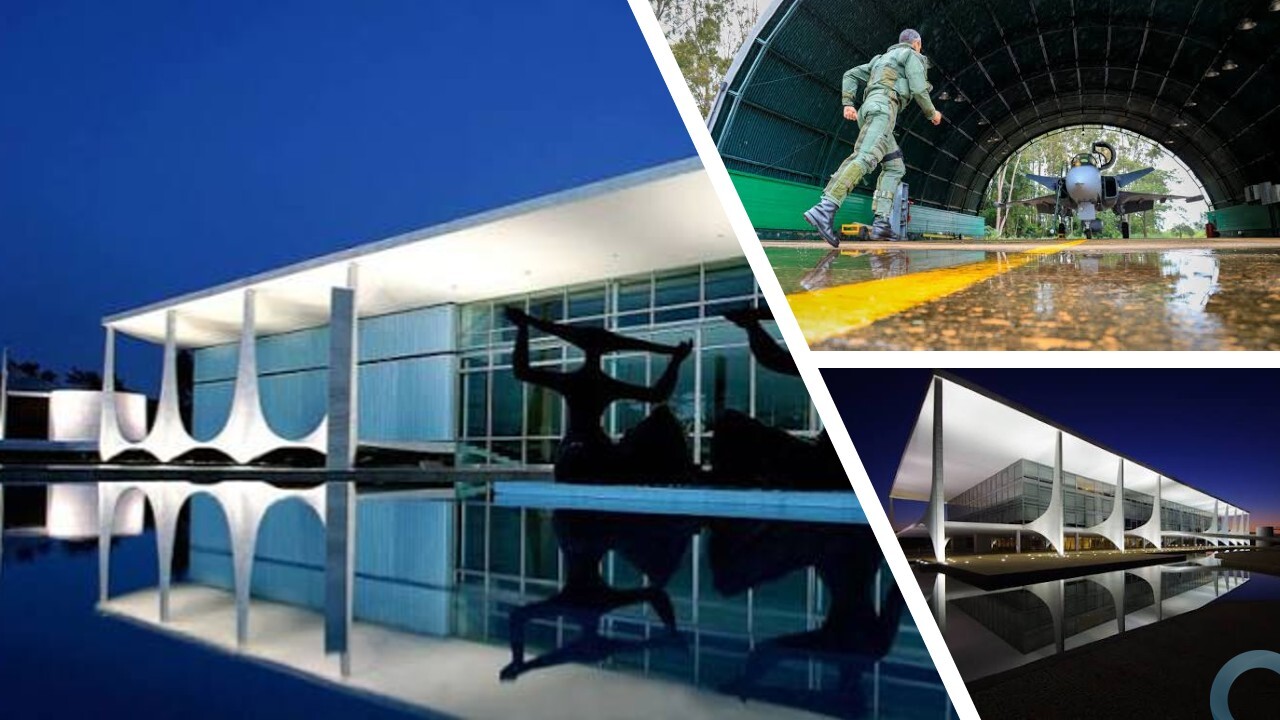
On January 15th, a meeting at the Planalto Palace was called by Lula for the late afternoon – and continued into the early evening – to discuss scenarios in the military field, after Maduro’s capture by American forces.
Participating in the meeting with the president were the Minister of Defense, José Múcio Monteiro; the Army Commander, General Tomás Miguel Paiva; the Navy Commander, Admiral Marcos Sampaio Olsen; and the Air Force Commander, Brigadier Marcelo Damasceno. and the Chief of the Joint Staff of the Armed Forces, Admiral Renato Rodrigues Freire.
These names appear on Lula’s public agenda. Celso Amorim, the president’s special advisor for international affairs, also participated in the meeting. He has previously served as Minister of Foreign Affairs and Minister of Defense in past PT (Workers’ Party) administrations and has close ties and dialogue with figures in the Venezuelan regime, including Maduro himself.
Lula expressed concern about the operation carried out in Caracas and the vulnerabilities in the event of a similar military action in Brazil, although he does not consider the country to be at such risk, according to government officials interviewed by Folha on condition of anonymity. Even so, the president requested scenario assessments.
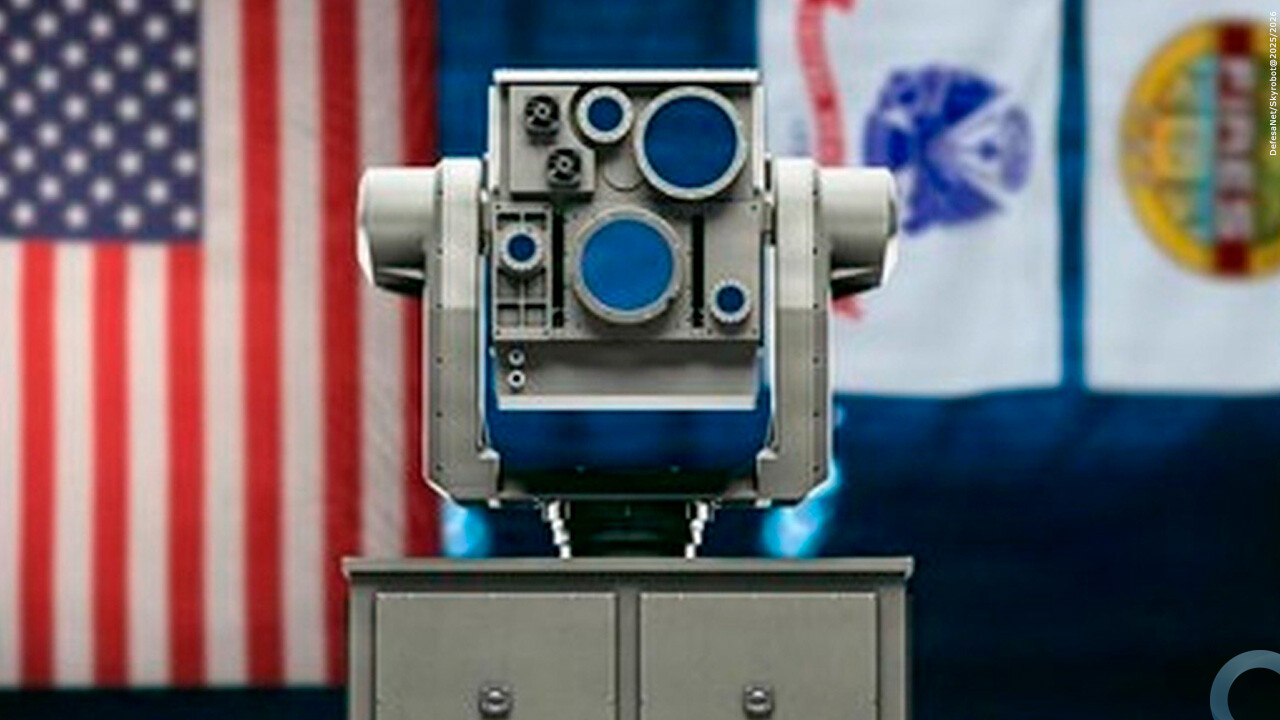
The PT member heard that the country does not have its own air defenses to withstand an offensive like the one seen in Caracas. It’s a common analysis among high-ranking military officers that nothing could be done in the event of air offensives by a country with military power like the United States. Military Equipment
Military officials aware of what was discussed in the Presidential Palace say that the negotiations were considered emergencies, given what happened in Caracas, a motivating factor for the request for plans and projects that offer a minimum of deterrence in the military sphere.
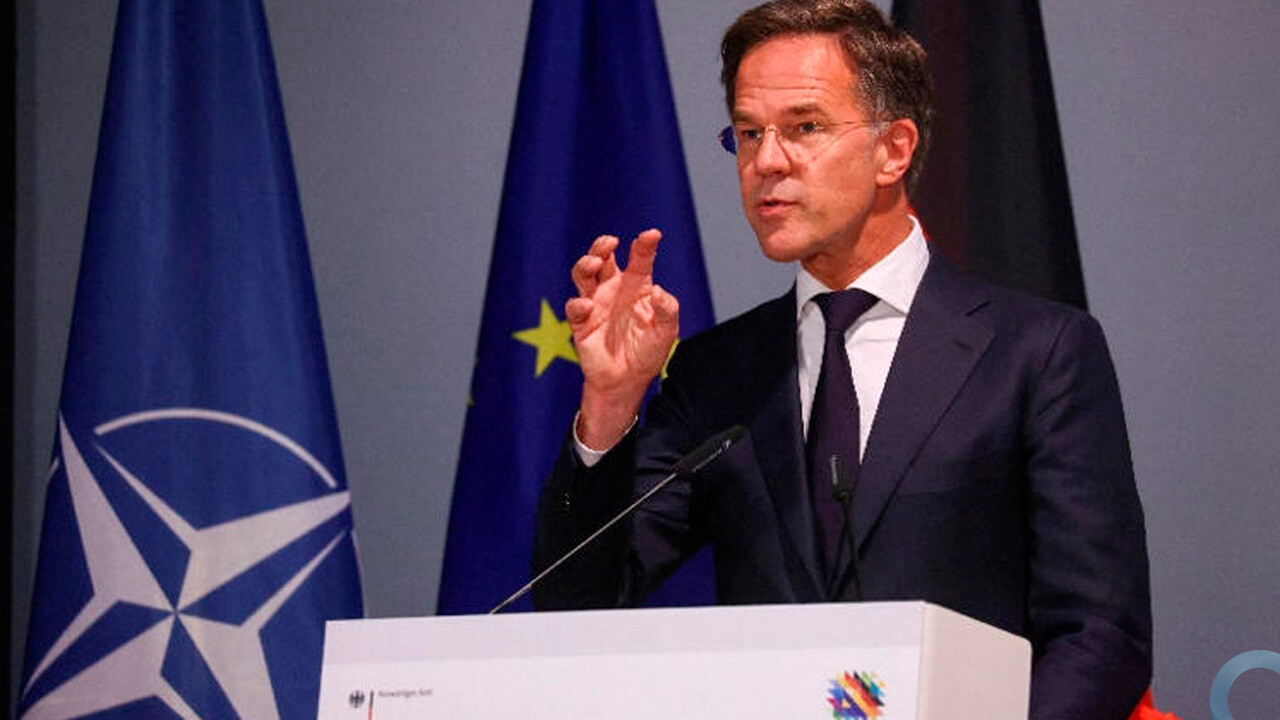
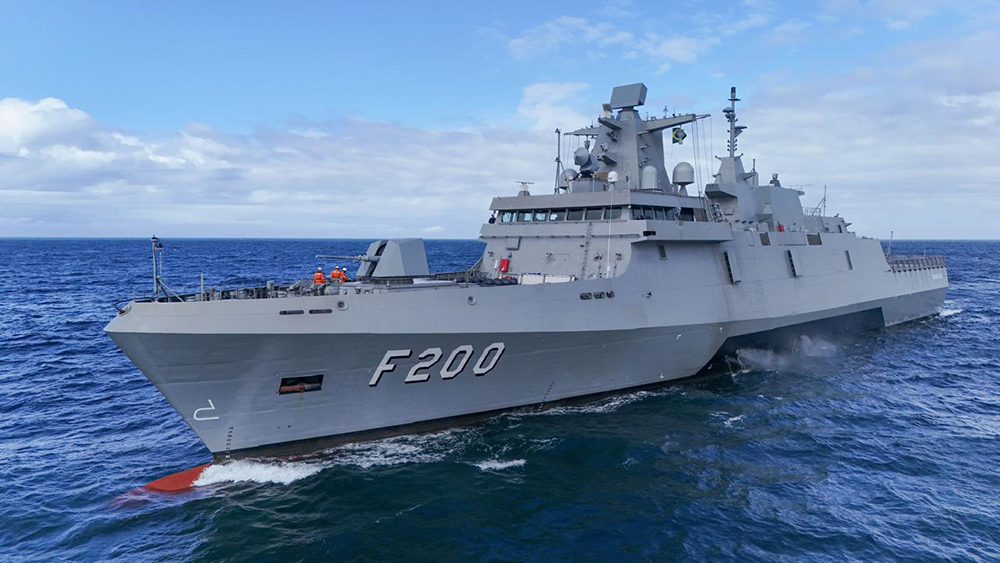
An investment plan was then presented by the Minister of Defense and the commanders of the Armed Forces, for the long term. This plan was made public by the military, who saw in the unprecedented animosity in South America a way to pressure for increased defense spending.
The plan foresees investments of R$ 800 billion over 15 years, with budgetary allocation, which would mean R$ 53.3 billion per year.
This amount is much higher, for example, than what is foreseen for the national defense program: almost R$ 15 billion in 2026, according to the approved budget.