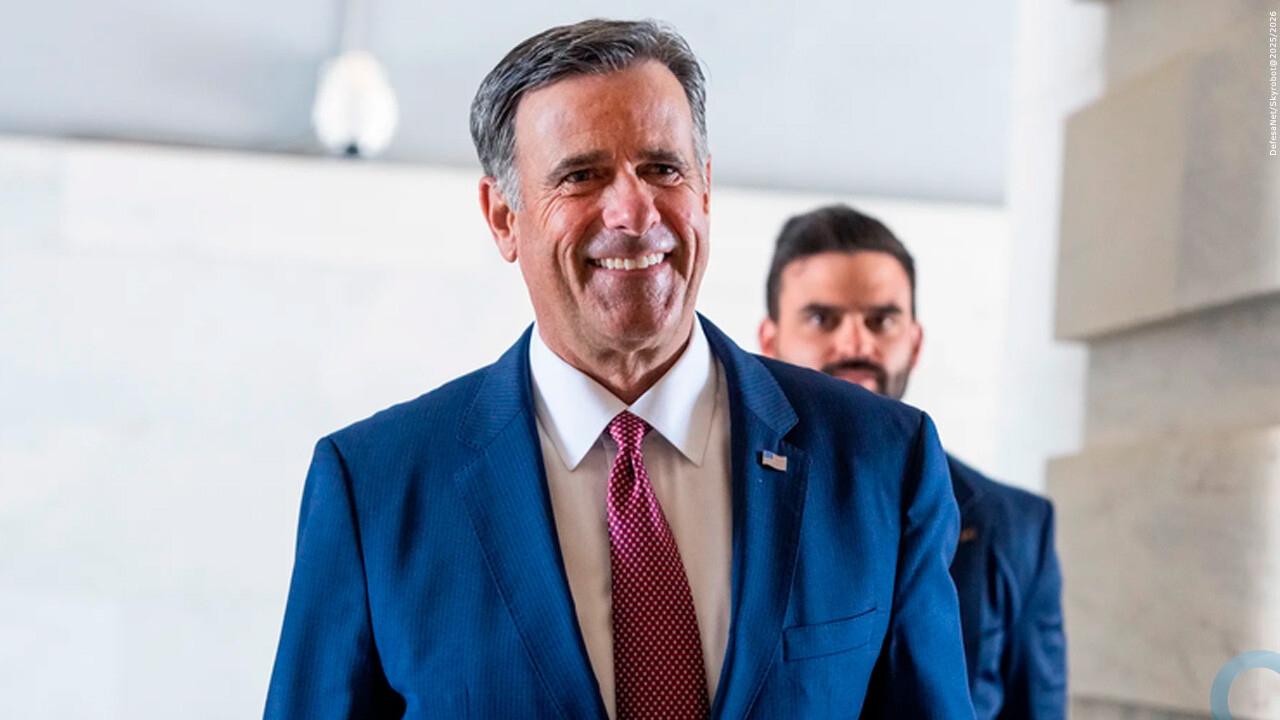




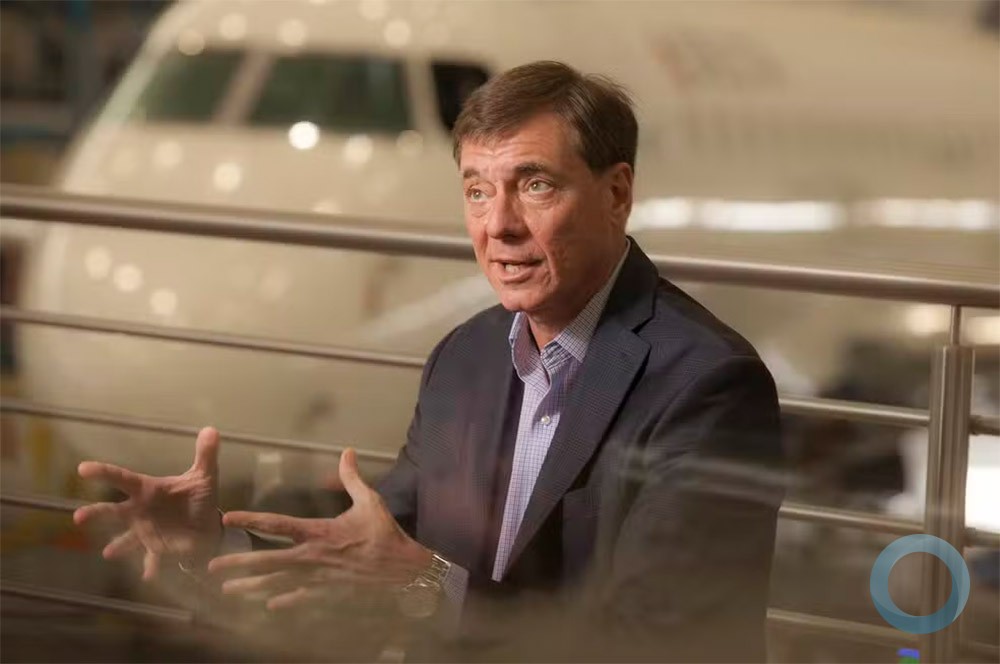
Francisco Gomes Neto says he’s received strong backing from clients and is counting on U.S.-Brazil cooperation to avoid 50% tariff, arguing that company supports 12,500 jobs. Francisco Gomes Neto has held talks with Scott Bessent, Howard Lutnick, Sean Duffy e a USTR official. Photo: Carol Carquejeiro/Valor
Maria Cristina Fernandes
São Paulo
Valor International
28 Jully 2025
DefesaNet Note
Report published in Portuguese CEO da Embraer conta com lobby de fornecedores dos EUA
Report in English Embraer CEO counting on lobby from U.S. suppliers
Francisco Gomes Neto, president of Embraer since 2019, was aiming for the company’s best year ever when the sudden announcement of a steep U.S. tariff disrupted his plans. Since July 9, he has been engaged in a high-level lobbying effort in the U.S. that would be the envy of any Brazilian negotiator. In Washington, he met with Commerce Secretary Howard Lutnick, Treasury Secretary Scott Bessent, Transportation Secretary Sean Duffy, and a senior aide to U.S. Trade Representative Jamieson Greer.
He told them that of the 3,000 direct jobs Embraer maintains outside Brazil—where it employs 20,000—2,500 are in the United States, where its suppliers support an additional 10,000. According to Mr. Gomes Neto, U.S. officials acknowledged the strength of his case and signaled there is room for negotiation. He’s also found support among clients such as American Airlines, whose CEO Robert Isom issued a public appeal to the U.S. government.
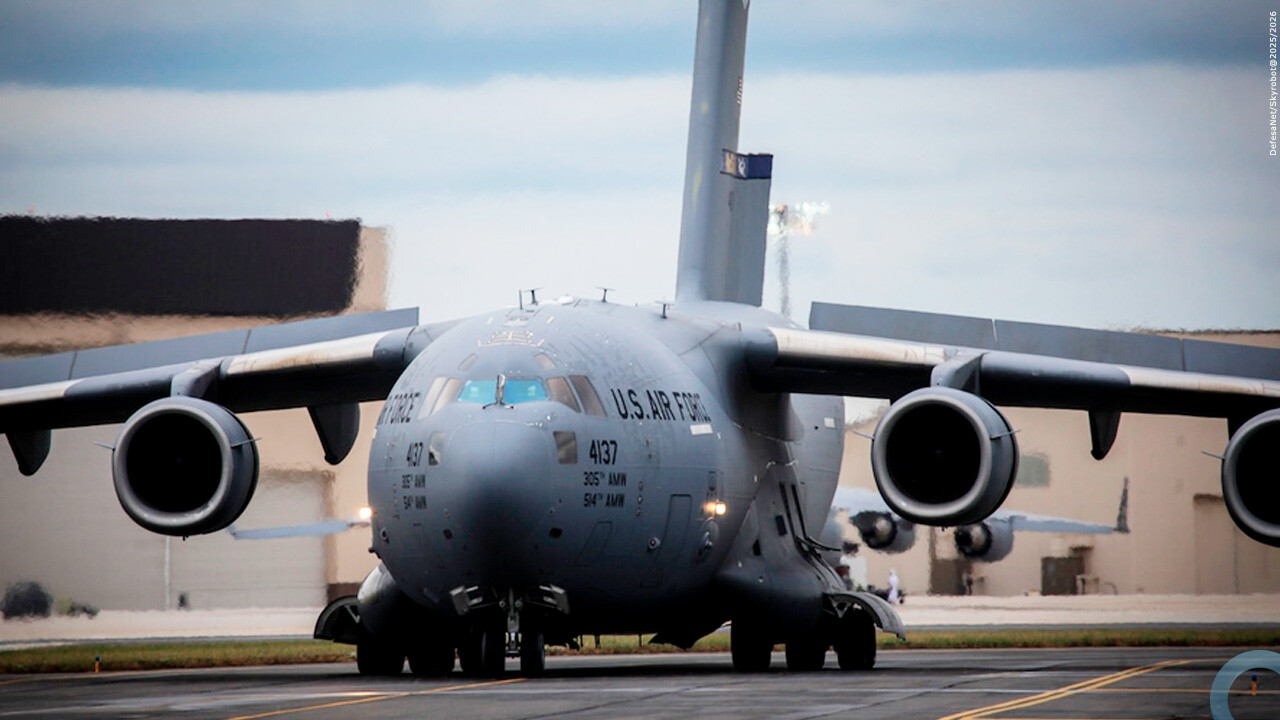
Mr. Gomes Neto admits the KC-390 military aircraft may be seen as a threat by Lockheed Martin, but says Embraer is willing to build a U.S. plant if the U.S. commits to a purchase. The Brazil-U.S. CEO Forum, of which Embraer is a member, has requested a postponement of the August 1 tariff deadline, but Mr. Lutnick has dismissed the idea. “I’ve become the CTO—Chief Tariff Officer,” Mr. Gomes Neto joked. Below is an excerpt from his interview with Valor Econômico on Friday:
Valor: What changed after July 9? (DefesaNet Note – Letter President Trump to Brazilian Presidente Lula)
Until the 9th, we were working to bring the 10% tariff down to zero. Aviation has operated under a zero rate since 1979. Even 10% already added significant complexity. When the government announced 50%, it was a big surprise.
Valor: What is Embraer’s presence in the U.S. and how does it work with the U.S. Congress and Executive branch? How many U.S. jobs does Embraer create?
Embraer has 2,500 highly skilled direct employees, and our suppliers support 10,000 more. We buy aircraft engines, complex valves, assemble planes, and maintain a maintenance facility in the U.S.
Valor: How are those jobs distributed?
We pay taxes in more than 30 states. Florida is our main base—we’ve been there 45 years. But we also operate in Tennessee, Arizona, Ohio, Georgia, and others. We have authorized service centers nationwide.
Valor: Has Embraer contacted congressional delegations from those states?
We’re not as focused on Congress. Our contacts are mostly with cabinet-level officials directly involved in the tariffs. We’ve been emphasizing Embraer’s importance to the U.S. market.
Valor: How big is Embraer’s U.S. market share?
Our commercial jets are the only ones approved for regional operations. They carry 80 passengers. Boeing only operates larger aircraft, so we don’t compete. We transport 5 million passengers a month. At Reagan in D.C. or La Guardia in New York, one-third of flights are on Embraer jets.
Valor: Who are your main competitors in the regional space?
We have more than 80% of the regional market in the U.S. With this tariff, it becomes impossible to renew the fleet.
Valor: At what level are you negotiating with the USTR?
I’ve met with Commerce Secretary Lutnick, Treasury Secretary Bessent, Transportation Secretary Duffy, and a senior official from USTR.
Valor: What did they say?
We talked about Embraer. I shared data on regional aviation and jobs. I also showed how much we buy from the U.S. We plan to purchase $21 million in U.S. equipment over the next five years, for aircraft sold to Europe and Asia. Embraer generates a substantial surplus for the U.S.
Valor: How much?
$8 billion over five years.
Valor: Did they respond positively?
They said it’s important, that they like Embraer and our planes, and hope for a resolution.
Valor: How is the Brazilian government responding?
Our engagement with the Brazilian government has been very active. Looking globally, every U.S. trade deal has brought aviation back to zero tariffs. Japan’s deal did. The EU is moving toward one too [the European Union agreed to a 15% standard tariff yesterday].
Valor: Has it always been that way?
For 45 years, the aerospace sector has worked with a zero rate. It’s a globalized industry. We buy from the U.S., Europe, South Korea, and Japan. It gives the U.S. one of its biggest trade surpluses. Clients and suppliers like American Airlines and General Electric support Embraer before the U.S. government.
Valor: How is the KC-390 doing in NATO markets, and what is the U.S. response?
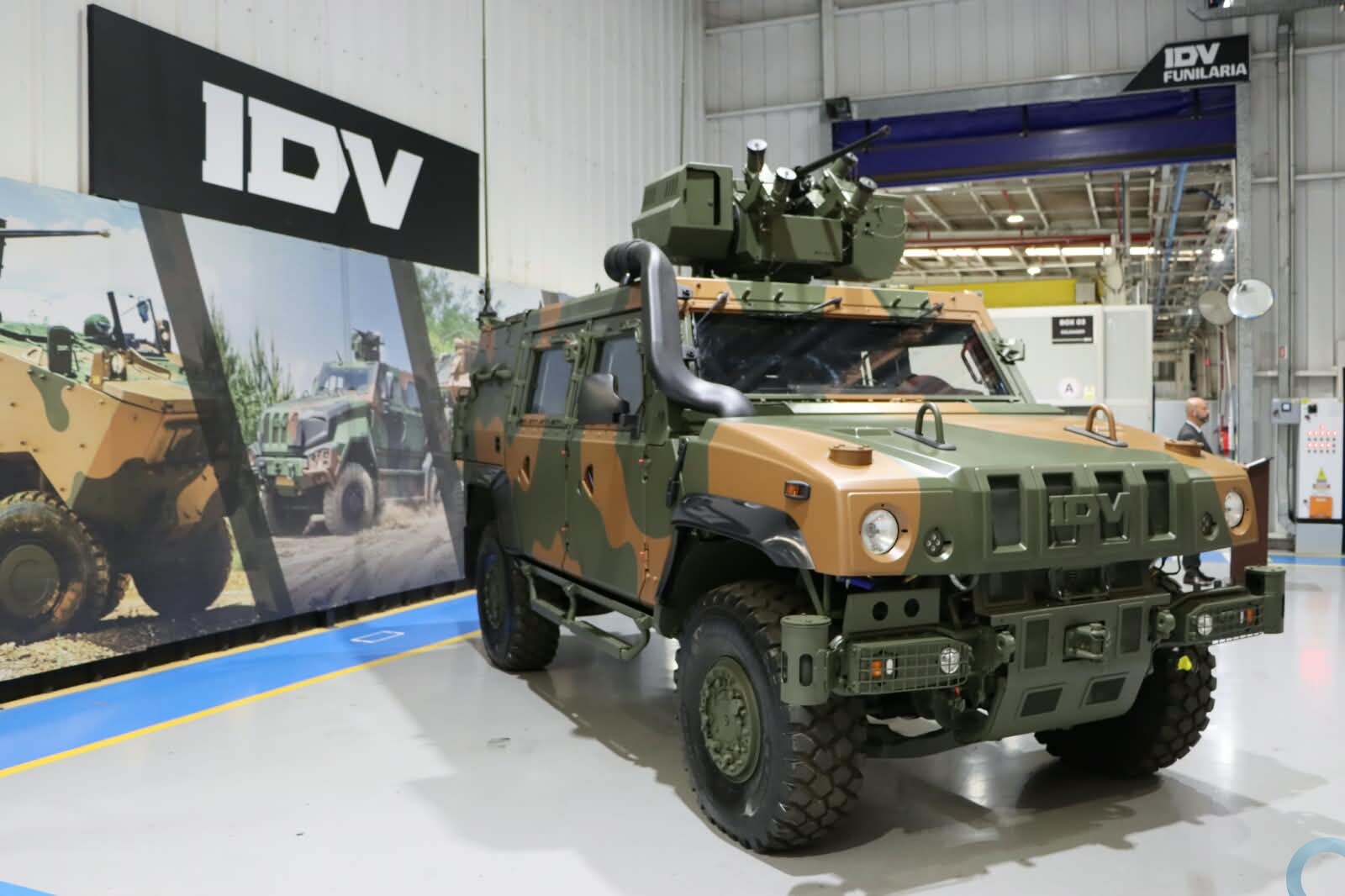
Portugal marked the first NATO version of the KC. Then came the Netherlands. We’ve reached 50 orders abroad—mainly in Europe, also South Korea. We’re pursuing opportunities in India and the U.S. A U.S. deal would require local assembly, opening the door for more investment. It could generate another investment wave. That product is doing very well.
Valor: Is there resistance from Lockheed Martin in the U.S. to protect its market?
Of course competitors don’t want us selling. Our plane competes directly with the C-130 Hercules. Ours is larger, jet-powered, faster, carries more, and is newer—introduced in 2019, versus the 1950s for the C-130. That said, Lockheed is a major and respected competitor. It’s never easy, but we’re used to going up against bigger players.
Valor: Does the KC use U.S. suppliers for exports?
More than half its cost comes from U.S.-made parts. Our suppliers are aware and are supporting us.
Valor: What is your investment plan in the U.S.?
We plan to invest $500 million over five years. If we secure a KC-390 deal, that would bring another $500 million for a new plant and 2,000 direct jobs. Today, we support 12,500 jobs. By 2030, that could be 500 more direct and 5,000 supplier jobs. The KC would add 2,000 more directly—not counting indirect jobs.
Valor: What’s your take on the real motive behind the tariff?
It’s to cut the U.S. trade deficit—about $200 trillion, mainly with China and Europe. So they distributed tariffs to everyone in April. Those with low deficits, like Brazil, started at 10%—now raised to 50%.
Valor: Why did Brazil go from 10% to 50%?
Because of everything we’re seeing.
Valor: You mean political factors?
Mr. Gomes Neto: Yes. The trade deficit isn’t a solid argument. I only know what I see in the media. My U.S. conversations are purely about Embraer. No one brings up politics. That’s not part of the agenda.
Valor: In Brazil, only Azul flies Embraer jets. Is BNDES supporting domestic leasing?
BNDES is a strong partner globally. We’ve long worked to persuade Brazilian airlines. We believe our aircraft are ideal for connecting small and medium cities, as we do elsewhere. We think there’s room to grow, but nothing locally depends on the bank. If needed, we know BNDES will step up.
Valor: Will Embraer join Vice President Geraldo Alckmin’s mission to Mexico?
We join most presidential trips abroad. It’s a chance to connect with markets and governments. Some countries have state-owned airlines or military deals requiring government ties. We just sold 20 planes to Mexicana de Aviación. Mexico is also a potential KC-390 buyer, so yes, we’ll be there.
Valor: Have you spoken to President Lula?
Not directly. I’ve been in constant contact with Vice President Alckmin, who’s engaged, well-informed, and involved—he and his entire team.
Valor: Has the issue become politicized?
I’m an engineer. I focus on what I can control—the economic and technical side. I leave politics to those who understand it better. I focus on showing how vital Embraer is for Brazil. The government treats us well. I believe they want to help.
Valor: Has your appeal against retaliation resonated?
People quote part of what I said. I meant: no retaliation until negotiations are exhausted. Retaliation is a negotiation tool. There’s plenty of room for dialogue. A stalemate is lose-lose. Both countries lose. Look at the U.K. deal: British Airways will buy 32 Boeing 787s worth $12.7 billion. Embraer alone will buy $21 billion from the U.S. over five years. Add a few more large companies, and there’s huge room to grow bilateral trade.
Valor: Are major Brazilian investors in the U.S. working on a joint proposal?
I’ve spoken with other business leaders with plans to invest and grow. We’ve passed that to the government as input for a proposal.
Valor: Which companies are involved?
It’s part of the Brazil-U.S. CEO Forum. It includes Suzano, Weg, JBS, Stefanini, Citrosuco—firms with major U.S. markets and a shared interest in boosting trade.
Valor: What’s your agenda for the coming days?
I’ve been saying my job title is now CTO—Chief Tariff Officer. That’s all I’ve been doing.
Valor: Has it kept you up at night?
I never sleep well anyway—but not because of this. We had a spectacular quarter. We still hope this will be Embraer’s best year ever.